


Which traditional Chinese herbs can be steeped in water for drinking to treat diabetes?
Apr 28, 2022
Source: Cainiu Health

Dr. Pan Yongyuan
Introduction
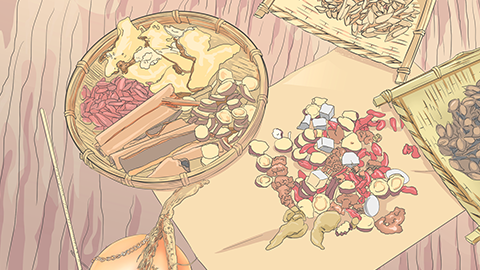
You may prepare a light green tea infusion. Additionally, herbs such as honeysuckle flower (Lonicera japonica), Atractylodes macrocephala, Euryale ferox seed, Potentilla chinensis, and Trichosanthes root (Tianhua Fen) can be added to the tea. This herbal tea helps replenish Qi and promote fluid production, and may also alleviate symptoms of dry mouth and throat commonly experienced by individuals with diabetes. Furthermore, goji berries (Lycium barbarum) and astragalus root (Astragalus membranaceus) may be steeped in hot water for consumption, which may exert a mild blood glucose–lowering effect. However, herbal infusions should only serve as an adjunctive therapy in the management of diabetes.
Many middle-aged and even younger individuals experience elevated blood glucose levels. Without proper dietary adjustments, they may progress to diabetes mellitus. Timely intervention is essential. Which traditional Chinese herbs can be steeped in water to help manage diabetes?
Which Traditional Chinese Herbs Can Be Steeped in Water to Help Manage Diabetes?
A small amount of green tea may be used as a base infusion. Additional herbs such as honeysuckle flower (Lonicera japonica), white atractylodes rhizome (Atractylodes macrocephala), fox nut (Euryale ferox), oriental lady’s-mantle herb (Potentilla chinensis), and snakegourd root (Trichosanthes kirilowii) may be added to the tea. This combination helps tonify Qi and promote fluid production, thereby alleviating common diabetic symptoms such as dry mouth and thirst. Additionally, goji berries (Lycium barbarum) and astragalus root (Astragalus membranaceus) may also be steeped in water and have demonstrated modest blood glucose–lowering effects. However, herbal infusions serve only as an adjunctive therapy for diabetes management. To achieve stable glycemic control, patients must strictly follow their physician’s instructions and take prescribed medications regularly.

Diabetes symptoms may be atypical. Some individuals with type 2 diabetes exhibit nonspecific manifestations—such as dizziness or fatigue—or may remain entirely asymptomatic. In certain cases, early-stage diabetes may paradoxically present with hypoglycemic symptoms before lunch or dinner. A hallmark feature of these atypical presentations is their lack of distinctiveness. Clinically, patients often seek medical attention for unrelated complaints, and hyperglycemia is discovered incidentally during routine testing.
Patients may consume low-protein foods. Excessive protein intake may increase renal workload; therefore, low-protein dietary options are recommended. Smoking and alcohol consumption should be avoided. Smoking harms multiple organ systems, particularly the cardiovascular system, and may exacerbate diabetic complications. We hope this article proves helpful to you!





