


Can people with diabetes drink honey water while taking medication?
May 06, 2022
Source: Cainiu Health

Dr. Pan Yongyuan
Introduction
However, it is unsuitable for diabetic patients, as drinking honey water can easily cause abnormal spikes in blood glucose levels. When consuming honey water, patients must reduce their intake of staple foods—a process that is highly cumbersome to calculate. For instance, drinking half a cup of mildly sweetened honey water requires reducing staple food intake by approximately 50%. Such reductions often lead to increased hunger, making dietary control more difficult for patients.
In daily life, many people experience elevated blood glucose levels, which can harm the body and significantly impair quality of life and work performance. Individuals with high blood sugar must pay close attention to their diet, as food intake directly influences blood glucose levels. So, can individuals with diabetes drink honey water while taking antidiabetic medications?
Can individuals with diabetes drink honey water while taking antidiabetic medications?
Generally, individuals with diabetes are advised against drinking honey water. However, if a patient takes excessive antidiabetic medication or injects insulin without subsequently eating—leading to hypoglycemia (low blood sugar)—and experiences symptoms such as sweating and anxiety, consuming honey water may be appropriate to rapidly raise blood glucose back to a safe, normal range. In this specific scenario, honey water can be beneficial.
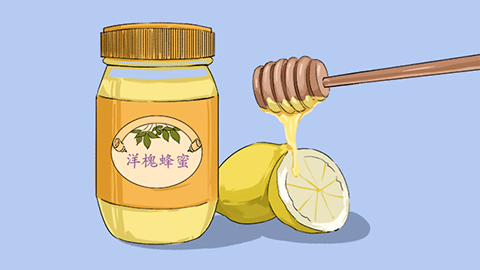
Honey contains high amounts of sugar—including substantial fructose—and is extremely sweet. Some individuals habitually consume honey water to relieve constipation; however, this practice is unsuitable for people with diabetes, as it may cause abnormal spikes in blood glucose. If honey water is consumed, carbohydrate intake from staple foods must be correspondingly reduced—an adjustment that is often cumbersome to calculate accurately. For example, drinking half a cup of mildly sweetened honey water necessitates reducing staple food intake by approximately 50%. Such reductions may increase hunger, making dietary control more difficult for patients.
In daily life, adopt a pattern of eating smaller, more frequent meals and avoid overeating or binge eating. Regular, moderate physical exercise is also recommended, as it helps lower blood glucose levels and enhances immune function. We hope this information proves helpful!







