


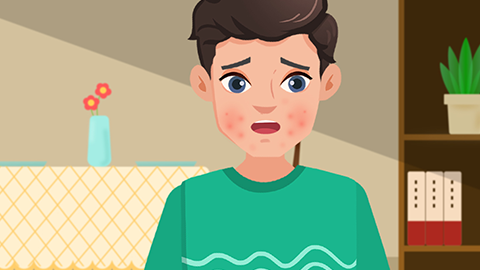
What should I do if my facial skin becomes allergic, red, swollen, and itchy?
May 08, 2022
Source: Cainiu Health

Dr. Liu Wan
Introduction
Facial skin allergy—characterized by redness, swelling, and itching—requires first and foremost the avoidance of further contact with the allergen, such as certain cosmetics or cleansing products known to trigger allergic reactions. Subsequently, topical treatments—such as anti-inflammatory traditional Chinese herbal preparations—may be selected based on the patient’s specific condition. The primary step in managing facial allergic dermatitis presenting with erythema, edema, and pruritus is identifying and eliminating the causative allergen.
In daily life, facial skin allergies are a relatively common occurrence among certain patients. However, after developing an allergic reaction, patients often experience redness, swelling, and itching—symptoms that can sometimes become unbearable, leaving them unsure of how to proceed. So, what should one do when experiencing redness, swelling, and itching due to facial skin allergy?
What to Do for Redness, Swelling, and Itching Caused by Facial Skin Allergy
The first step in managing redness, swelling, and itching from facial skin allergy is to avoid further contact with the allergen—for example, cosmetics or cleansing products known to trigger allergic reactions. Subsequently, depending on the patient’s specific condition, topical treatments may be applied, such as calamine lotion or traditional Chinese herbal preparations possessing cleansing and anti-inflammatory properties. For facial skin allergy presenting with redness, swelling, and itching, identifying and eliminating the underlying cause—i.e., discontinuing exposure to the allergen—is essential.

Redness, swelling, and itching on the face may result from a hypersensitivity reaction—specifically, an allergic inflammatory response triggered by various potential allergens. Common everyday items—including facial cleansers, moisturizers, facial oils, and makeup—can provoke allergic reactions in individuals with sensitive facial skin. Additionally, airborne particles such as house dust mites, pollen, fungal spores, and animal dander may also induce facial allergies upon contact with the skin.
Patients are advised to follow dietary restrictions: avoid fried, grilled, or barbecued foods; spicy dishes; and sweets. Adequate sleep should also be prioritized—avoid staying up late. We hope this article proves helpful to you!






