


What Are the Symptoms of Allergic Rhinitis?
May 09, 2022
Source: Cainiu Health

Dr. Guo Xiheng
Introduction
The primary symptoms of allergic rhinitis include paroxysmal nasal itching, sneezing, watery nasal discharge, and nasal congestion—mainly triggered by exposure to specific allergens. Consequently, the onset of symptoms follows a predictable pattern tied to allergen exposure; characteristic allergic symptoms appear upon contact with particular triggers. In severe cases of allergic rhinitis, additional manifestations such as dizziness, headache, itchy eyes, and allergic conjunctivitis may also occur.
Allergic rhinitis is a condition triggered by both genetic and environmental factors. During flare-ups, it significantly impacts patients’ daily life, work performance, and overall health—especially when preventive measures are neglected, making symptoms more likely to occur. So, what are the symptoms of allergic rhinitis?
What Are the Symptoms of Allergic Rhinitis?
The hallmark symptoms of allergic rhinitis include paroxysmal nasal itching, sneezing, profuse watery nasal discharge, and nasal congestion. These symptoms arise primarily due to exposure to specific allergens. Consequently, symptom onset often follows a predictable pattern tied to allergen exposure—symptoms typically appear upon contact with particular triggers. In severe cases, allergic rhinitis may also cause dizziness, headache, itchy eyes, allergic conjunctivitis, sore or itchy throat, and coughing—these represent secondary manifestations associated with more severe disease.
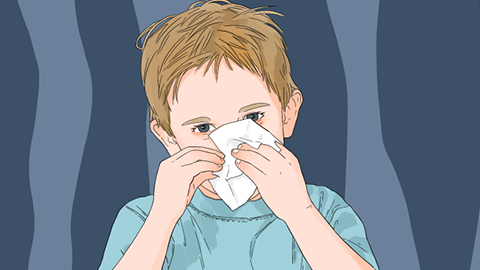
Allergic rhinitis is classified into two main types: seasonal and perennial. Seasonal allergic rhinitis commonly occurs in spring, autumn, or summer, with common allergens including mugwort, pollen, or willow catkins. Perennial allergic rhinitis persists year-round, and symptoms are often most pronounced upon waking in the morning. Treatment options include intranasal corticosteroids, intranasal antihistamines, and oral antiallergic medications.
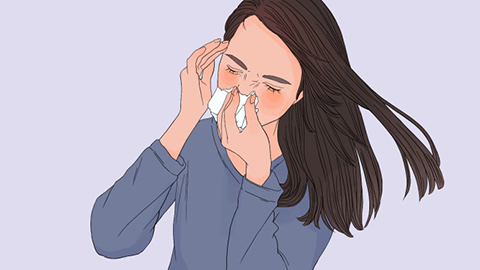
Patients are advised to remain vigilant about potential allergens in daily life to help prevent rhinitis flare-ups. Should symptoms develop, prompt medical consultation and early treatment are essential. We hope this information proves helpful to you.



