


How long does herpes zoster typically take to heal?
May 12, 2022
Source: Cainiu Health

Dr. Liu Wan
Introduction
Herpes zoster predominantly affects elderly individuals, with a typical disease course of approximately 2–3 weeks. It confers lifelong immunity but is contagious to preschool-aged children, who may develop varicella (chickenpox) upon exposure. Early and adequate treatment is essential for patients with herpes zoster, as some individuals are prone to developing postherpetic neuralgia. In relatively healthy young adults with herpes zoster, the shortest recovery time is about two weeks, while most require approximately one month for complete resolution.
Herpes zoster (shingles) is an acute infectious dermatosis caused by the varicella-zoster virus (VZV). Its characteristic skin lesions consist of clustered, band-like vesicles, papules, or pustular papules. These lesions typically appear unilaterally on the head, periorbital region, neck and shoulder area, upper limb, lateral thoracic region, lumbosacral region, or lower limb. The hallmark clinical features are unilateral dermatomal distribution and associated neuropathic pain. So, how long does it generally take for herpes zoster to resolve?
How long does herpes zoster usually take to heal?
Herpes zoster predominantly affects elderly individuals and typically runs a course of approximately 2–3 weeks. It confers lifelong immunity but remains contagious to preschool-aged children, who may develop chickenpox upon exposure. Early, adequate antiviral treatment is essential for patients with herpes zoster; however, some individuals—particularly older adults—are prone to developing postherpetic neuralgia (PHN). In otherwise healthy young adults, complete recovery may occur as early as two weeks, though one month is more typical. Clinically, “complete cure” is defined as full resolution of skin lesions without residual pain, pruritus, or paresthesia. Older adults—including middle-aged and elderly individuals—generally require longer recovery periods.
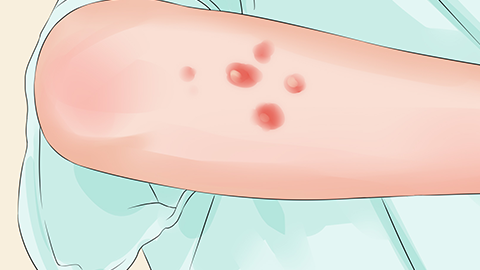
Thus, on average, if middle-aged or elderly patients recover fully within three months, this is considered an excellent outcome.
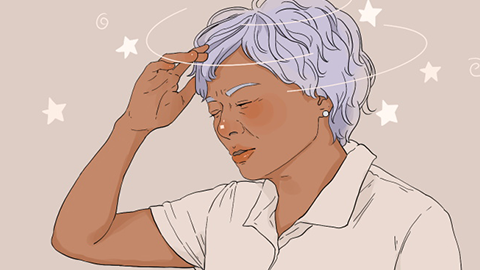
Moreover, certain elderly individuals—especially those with poor general health or compromised immunity—are at higher risk of developing postherpetic neuralgia. Once PHN develops, discomfort—including persistent pain and numbness—may last for several years. Therefore, the time required for full recovery from herpes zoster is highly variable and unpredictable. We hope this information has been helpful!




