What Causes and How to Treat Cracked Hands in Winter
May 12, 2022
Source: Cainiu Health

Dr. Liu Wan
Introduction
The primary cause of chapped and cracked hands in winter is the cold, dry climate. During this season, the secretion functions of sebaceous and sweat glands decrease, leading to increased water loss from the epidermis of exposed skin areas. Under such dry, oil-deficient, and moisture-deficient conditions, the skin’s barrier function weakens, making it more susceptible to external irritants—resulting in peeling, cracking, bleeding, and pain.
Some men and women develop cracks on their hands during cold weather. These cracks are often accompanied by pain, interfering with normal daily activities and work. What causes hand fissures in winter, and how can they be treated?
Causes and Treatment of Winter Hand Fissures
The primary cause of hand fissures in winter is the cold, dry climate, which reduces the secretory function of sebaceous and sweat glands. Consequently, moisture loss from the epidermis of exposed skin areas increases. Under conditions of dryness, insufficient oil, and inadequate hydration—leading to compromised skin barrier function—the skin becomes more susceptible to external irritants, resulting in desquamation, fissuring, bleeding, and pain. Under medical guidance, topical adapalene gel or erythromycin ointment may be used for improvement.
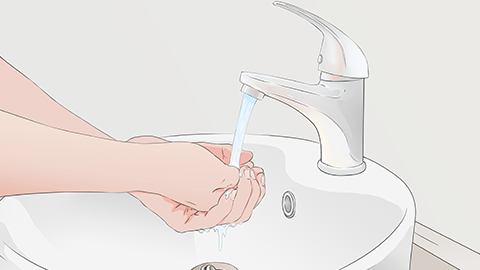
Additionally, frequent handwashing with alkaline soaps or hand sanitizers, dishwashing with detergents, or contact with substances such as paint during winter can damage the skin’s natural lipid barrier, exacerbating hand fissures. In severe cases, this may progress to keratotic cheilitis (a type of eczema), characterized by localized skin thickening and hyperkeratosis, with visible fissures in affected areas. Non-fissured skin may exhibit pruritus, and deep fissures—often prone to bleeding—may develop.
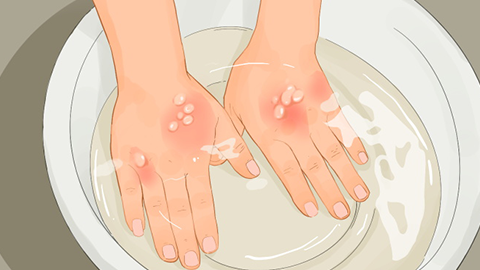
For skin damage caused by dryness and lack of sebum, topical moisturizers and emollients—such as urea cream—can provide rapid relief. If keratotic eczema develops due to prolonged winter exposure to a specific substance, and fissures are deep and associated with bleeding, topical erythromycin ointment should be applied to bleeding fissures to prevent infection; additionally, emollients and corticosteroid ointments (e.g., halometasone) may be applied to hyperkeratotic areas. Avoidance of suspected allergenic or irritating substances is strongly recommended. We hope this information proves helpful!