How to manage severe abdominal distension due to ascites in advanced hepatocellular carcinoma
May 12, 2022
Source: Cainiu Health

Dr. Jin Zhongkui
Introduction
In advanced hepatocellular carcinoma with refractory ascites causing severe abdominal distension, paracentesis (therapeutic abdominal fluid drainage) may be performed to alleviate symptoms. Concurrently, mannitol and diuretics can be administered; dehydration and diuresis help reduce ascites and relieve severe abdominal distension. For patients with end-stage cancer, symptomatic treatment is recommended—primarily aimed at alleviating symptoms, improving quality of life, and reducing patient suffering.
Cancer is a topic many people prefer to avoid discussing; however, certain individuals—due to underlying health conditions—may develop it, posing serious threats to their physical well-being. So, how can one manage severe abdominal distension caused by ascites in advanced hepatocellular carcinoma (HCC)?
How to Manage Severe Abdominal Distension Due to Ascites in Advanced Hepatocellular Carcinoma
Severe abdominal distension from ascites in advanced HCC can be alleviated through paracentesis (therapeutic abdominal fluid drainage) or aspiration of ascitic fluid. Concurrently, osmotic diuretics such as mannitol and other diuretic agents may be administered. Diuresis and dehydration help reduce ascites volume and thereby relieve significant abdominal distension. For patients with end-stage cancer, symptomatic (palliative) treatment is recommended—primarily aimed at symptom relief, improvement of quality of life, and reduction of patient suffering.
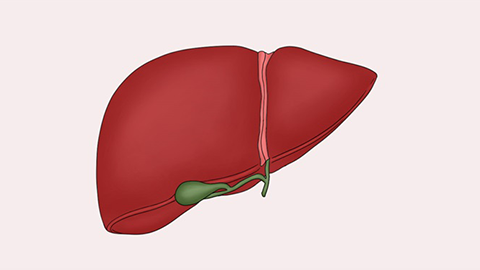
Hepatocellular carcinoma is an extremely aggressive malignant tumor. Patients with advanced HCC often develop substantial ascites. Large-volume ascites can cause severe abdominal distension and even paralytic ileus. In such cases, palliative management is appropriate for symptom control and potential extension of survival.
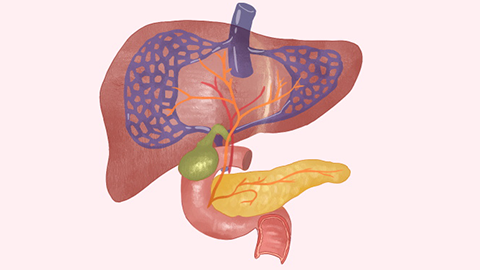
Hepatocellular carcinoma is a malignant tumor originating in the liver. Based on etiology, it is classified into primary and secondary (metastatic) HCC. Early-stage HCC often presents with nonspecific or subtle symptoms; however, patients may experience vague or dull pain—or a sensation of fullness—in the upper abdomen, particularly the right upper quadrant, along with gastrointestinal symptoms such as acid reflux, belching, nausea, and diarrhea. As the tumor enlarges, compressive symptoms may emerge—for example, gastric compression may lead to gastric outlet obstruction, gastric retention, nausea, and vomiting; compression of the common bile duct may result in biliary obstruction, jaundice, and impaired liver function. We hope this information proves helpful!