


Can people with myopia develop presbyopia?
May 13, 2022
Source: Cainiu Health

Dr. Chen You
Introduction
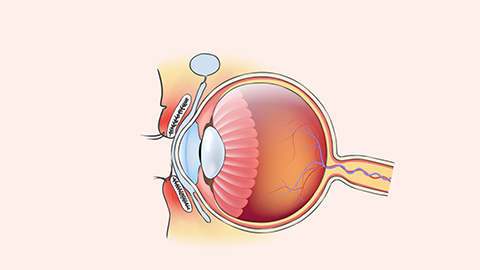
Individuals with myopia can also develop presbyopia. In fact, presbyopia is a normal physiological aging phenomenon typically observed in people aged 40 years and older. As age increases, the lens gradually becomes denser and loses elasticity, leading to a progressive decline in the eye’s accommodative ability. This manifests as blurred near vision and difficulty sustaining near visual tasks. Therefore, individuals with myopia are equally susceptible to presbyopia.
Myopia (nearsightedness) is very common in daily life. Although it is not a serious medical condition, uncorrected myopia significantly impairs vision, thereby affecting both daily life and work performance. So, do people with myopia develop presbyopia?
Do people with myopia develop presbyopia?
Yes, individuals with myopia can also develop presbyopia. Presbyopia is, in fact, a normal physiological sign of aging—typically emerging after age 40. As people age, the lens gradually increases in density and loses elasticity, resulting in diminished accommodative ability of the eye. This manifests as blurred near vision and difficulty sustaining near visual tasks. Therefore, individuals with myopia are equally susceptible to presbyopia. However, in those who already have myopia, the pre-existing refractive error may partially offset the presbyopic refractive change, potentially delaying the need for reading glasses.
In daily life, individuals with myopia should limit use of electronic devices—such as smartphones and computers—which emit radiation that may adversely affect vision. They should also avoid prolonged close-up visual tasks. Instead, they should engage in interactive activities regularly, gaze at distant objects (especially green plants), and perform eye exercises to relax the eyes. Eye exercises, in particular, help improve ocular blood circulation and relieve eye fatigue. Additionally, consuming fruits and vegetables rich in vitamins—such as carrots, pumpkins, and apples—provides essential nutrients for optic nerve health and supports healthy visual development. Finally, maintaining regular sleep-wake patterns ensures adequate rest for the eyes.
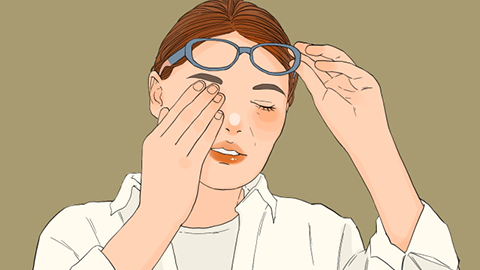
It is important to maintain a balanced visual routine in daily life and avoid excessive eye strain to prevent the onset or progression of myopia. We hope this information has been helpful. Wishing you good health and a joyful life!




