What diseases commonly cause miosis (pupillary constriction)?
May 16, 2022
Source: Cainiu Health

Dr. Jiang Weimin
Introduction
Pupil size is influenced by factors such as age, refractive status, and mental state. Pupillary constriction (miosis) may result from physiological causes, drug side effects, or pathological conditions. Physiological causes include exposure to excessively bright ambient light, which triggers pupillary constriction to limit the amount of light entering the eye and prevent blurred vision caused by excessive light influx.
At the center of the iris lies a circular opening called the pupil. The iris adjusts the size of the pupil in response to ambient light intensity, thereby regulating the amount of light entering the eye and ensuring clear image formation on the retina. So, what diseases are commonly associated with pupillary constriction (miosis)?
Conditions Commonly Associated with Pupillary Constriction
Pupil size is influenced by multiple factors, including age, refractive status, and mental state. Pupillary constriction may result from physiological causes, drug side effects, or pathological conditions. Physiological causes: In bright ambient light, the pupil constricts to limit light entry into the eye, preventing excessive illumination that could impair visual clarity—this is a normal physiological response indicating overly intense illumination. Eye fatigue: Prolonged visual tasks or extended wear of contact lenses may lead to ocular fatigue, which can cause pupillary constriction. Natural aging: From adolescence through approximately age 60, the pupil gradually and steadily decreases in size—a normal part of the human aging process.
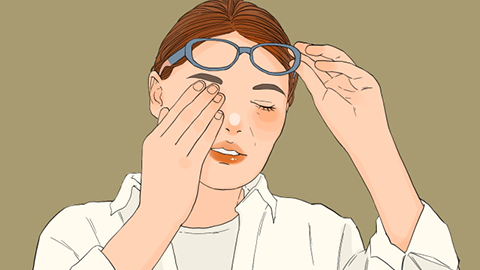
Pathological causes: Corneal foreign bodies—when a foreign object lodges in the cornea, it stimulates intraocular nerves, leading to pupillary constriction. Absorption of certain substances (e.g., via respiratory tract, skin, or mucous membranes) may trigger parasympathetic overactivity, resulting in miosis. Ocular diseases—including corneal ulcers, anterior chamber hemorrhage, and iritis—can all cause pupillary constriction, often accompanied by symptoms such as ocular pain and photophobia.

Drug-induced miosis: Cholinergic agonists such as pilocarpine directly stimulate muscarinic acetylcholine receptors on the iris sphincter muscle, causing pupillary constriction. We hope this information has been helpful to you!