


What Are the Early Symptoms of Nephritis?
May 16, 2022
Source: Cainiu Health

Dr. Zhao Xinju
Introduction
In the early stage of nephritis, there are typically no specific symptoms; however, routine urinalysis may reveal proteinuria and microscopic hematuria. As renal function progressively deteriorates, edema and hypertension gradually develop. This stage represents the most common clinical presentation—many patients seek medical attention due to swelling or elevated blood pressure. At this point, treatment selection is primarily guided by the degree of proteinuria.
Nephritis refers to inflammation of the kidneys, which—once developed—is often difficult to eradicate completely. Early detection and prompt treatment are therefore crucial for improving the likelihood of recovery; thus, identifying nephritis in its early stages is extremely important. So, what are the early symptoms of nephritis?
What Are the Early Symptoms of Nephritis?
In its early stage, nephritis typically presents no distinctive symptoms. The most common initial findings are proteinuria and microscopic hematuria detected on routine urinalysis. As renal function progressively deteriorates, patients may gradually develop edema and hypertension. This stage represents the most common clinical presentation; many patients seek medical attention due to swelling or elevated blood pressure. At this point, treatment selection is primarily guided by the degree of proteinuria: if proteinuria is mild, medications aimed at protecting kidney function and reducing proteinuria are typically prescribed; if proteinuria is severe (nephrotic-range), corticosteroids or immunosuppressive agents are generally required.
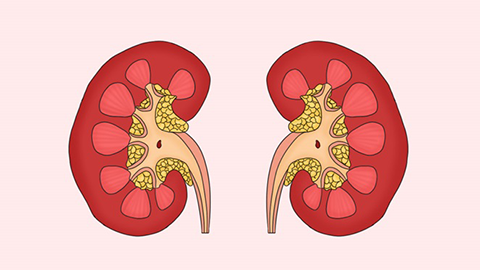
Nephritis is an immune-mediated disease triggered by various external factors. Since it manifests as kidney damage, comprehensive lifestyle adjustments are essential. Patients should consume only thoroughly cooked food. Raw foods must be washed meticulously before consumption. Avoid trying unfamiliar foods, and refrain from eating out-of-season vegetables and fruits, as they may contain substances that adversely affect health.
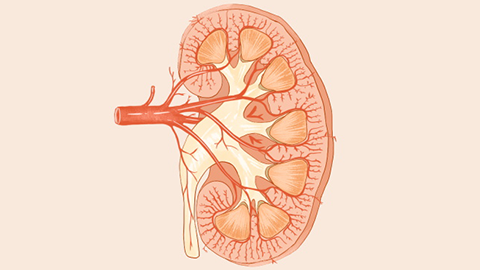
Nephritis is a serious condition; without timely and effective treatment, it can readily lead to severe health complications. If abnormalities appear on routine urinalysis, prompt consultation with a nephrologist is strongly advised. We hope this information proves helpful to you.








