


What Are the Causes of Bleeding After Intercourse for Couples?
May 16, 2022
Source: Cainiu Health

Dr. Chen Zhe
Introduction
This condition is commonly observed in couples engaging in sexual intercourse for the first time; it may result from hymenal injury during intercourse, leading to bleeding. Vaginitis: If vaginitis is present, it may cause mucosal hyperemia; friction during intercourse can then damage the mucosal tissue, resulting in bleeding—typically characterized by minimal bleeding, yellowish discharge, and localized burning sensation of the vulva.
In daily life, some women experience vaginal bleeding during intercourse, raising concerns about potential impacts on their health. What are the possible causes of postcoital bleeding in couples?
Causes of Postcoital Bleeding
Postcoital bleeding is commonly observed among couples engaging in intercourse for the first time; it may result from trauma to the hymen during intercourse, leading to bleeding. Vaginitis: If present, vaginitis can cause mucosal congestion; friction during intercourse may then damage the inflamed mucosa, resulting in bleeding—typically minimal in amount, with yellowish discharge, local vulvar burning sensation, or vaginal pain and itching. Cervicitis—particularly when associated with cervical polyps—can render the mucosa fragile, causing contact bleeding. In daily life, affected women may also notice blood-tinged vaginal discharge, lower back or sacral pain, or lower abdominal pain.
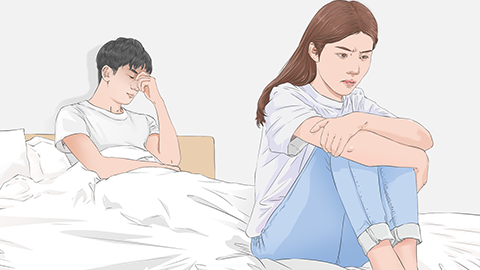
Other conditions: such as pelvic inflammatory disease (PID), cervical polyps, and endometriosis. In PID, inflammation-induced vulvar congestion may lead to mucosal irritation and subsequent bleeding during intercourse. Cervical polyps—characterized by multiple polypoid growths on the cervix—may be traumatized during intercourse, resulting in bleeding. Endometriosis rarely presents with postcoital bleeding; however, if lesions involve the rectouterine pouch (pouch of Douglas), intercourse may stimulate these lesions, causing pain or even bleeding.

In daily life, maintain proper genital hygiene and keep the external genital area clean and dry. We hope this information is helpful to you!





