


What Are the Methods for Correcting Myopia?
May 17, 2022
Source: Cainiu Health

Dr. Chen You
Introduction
Vision can be corrected by wearing eyeglasses. In daily life, many people avoid wearing them due to concerns about aesthetics; however, not wearing corrective lenses may lead to a rapid decline in vision. Alternatively, vision can also be corrected surgically—though such procedures have relatively stringent eligibility requirements. It is recommended that individuals select the most appropriate method based on their personal circumstances.
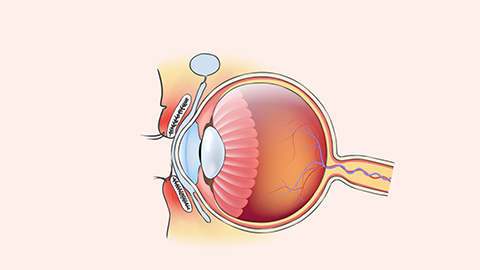
Myopia (nearsightedness) occurs when parallel light rays entering the eye are refracted by the eye’s optical system, and the focal point falls in front of the retina. Myopia is classified into two types: pseudo-myopia and true myopia—each requiring distinct treatment and correction approaches. So, what are the available methods for correcting myopia?
Methods for Correcting Myopia
Vision can be corrected using eyeglasses with frames. In daily life, many people avoid wearing framed glasses due to concerns about aesthetics; however, failing to wear corrective lenses may lead to rapid deterioration of vision. Alternatively, surgical intervention offers another option for vision correction, though it imposes relatively stringent eligibility criteria. It is recommended that individuals select an appropriate correction method based on their personal circumstances. Commonly used options include: framed glasses, rigid gas-permeable contact lenses, orthokeratology (ortho-k) lenses, excimer laser surgery (e.g., LASIK), femtosecond LASIK (semi-femto), small incision lenticule extraction (SMILE, or full-femto), and implantable collamer lens (ICL) surgery (a phakic intraocular lens implanted in the posterior chamber).
It is advisable to use corrective eyewear for treatment and to avoid prolonged near-vision tasks. Refrain from reading in dim lighting, and during extended computer use, consciously blink frequently and shift your gaze periodically. Regarding diet, ensure adequate nutritional support for ocular health—minimize glycation of ocular tissues and protect against oxidative damage caused by free radicals. Consume more fresh vegetables, fruits, fish, dairy products, and other foods rich in vitamins. Engage regularly in physical exercise.

Maintain proper posture while reading or writing: keep a distance of approximately 33 cm between your eyes and the book or paper. Establish a routine for performing eye exercises, undergo regular vision examinations, and frequently look into the distance during daily activities. We hope this response proves helpful to you. Wishing you good health and a joyful life!





