What causes small blisters on the fingers? They are neither painful nor itchy.
May 17, 2022
Source: Cainiu Health

Dr. Liu Wan
Introduction
Small blisters on the fingers are quite common—especially during hot, humid summer months—and are primarily caused by impaired sweat secretion. The stratum corneum (outermost skin layer) of the hands and feet is particularly thick, especially on the palms and soles, where hyperkeratosis (excessive keratinization) may occur. In such cases, sweat ducts can become keratinized and obstructed. During hot, humid weather, sweat cannot be promptly excreted through the blocked ducts and instead accumulates beneath the stratum corneum, forming small blisters.
Small blisters on the fingers may appear in daily life for various reasons. Sometimes, these blisters cause neither pain nor itching and do not interfere with normal daily activities. So, what causes small, painless, and non-itchy blisters on the fingers?
What causes small, painless, and non-itchy blisters on the fingers?
Small blisters on the fingers are relatively common—especially during hot, humid summer months—and are primarily caused by impaired sweat excretion. The stratum corneum (outermost skin layer) of the hands and feet is particularly thick, especially on the palms and soles, where keratinization may occasionally obstruct sweat ducts. In hot, humid conditions, sweat cannot be promptly expelled through the ducts and instead accumulates beneath the stratum corneum, forming small blisters. These blisters are typically asymptomatic—neither painful nor itchy—and tend to occur more frequently during hot, humid seasons. In most cases, they resolve spontaneously once the weather cools, requiring no specific treatment. Since they cause no discomfort or functional impairment, they generally do not warrant special concern or pharmacological intervention.
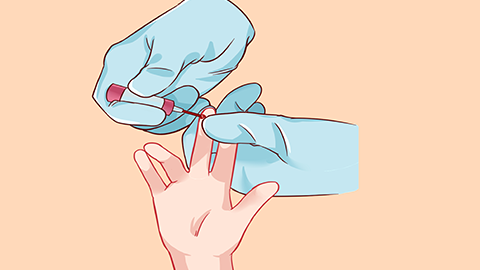
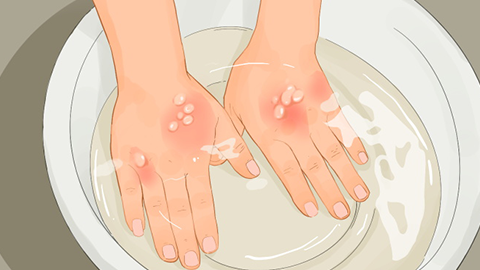
The most common causes of small finger blisters are dyshidrotic eczema (also known as pompholyx) and allergic or irritant contact dermatitis. These two conditions share overlapping features and may both result from impaired sweating, leading to localized sweat retention and blister formation. Alternatively, they may arise following exposure to irritants such as detergents or chemical agents. Typically, lesions appear symmetrically on both hands, with poorly defined borders, and patients often report significant pruritus (itching). In contrast, tinea pedis (athlete’s foot) may also present with small blisters—but usually affects only one hand (or foot), without symmetrical distribution. Other potential causes include viral infections—for instance, herpes simplex virus infection, which can involve the fingers (herpetic whitlow); however, this condition is typically associated with prominent pain. Given the wide range of possible etiologies for finger blisters, individuals should consult a physician for accurate diagnosis and appropriate management.
Maintaining good personal hygiene—and ensuring cleanliness of one’s surroundings—is essential. Avoid contact with heavily contaminated substances or foods to prevent fungal or bacterial infections of the hands, which could lead to blister formation and disrupt daily life. We hope this information has been helpful to you!