


What are the common modes of delivery?
May 17, 2022
Source: Cainiu Health

Dr. Chen Zhe
Introduction
Spontaneous Vaginal Delivery: This refers to vaginal delivery occurring naturally when the fetus is developing normally, the maternal pelvis is adequately developed, and the mother’s overall health is good. Strong, rhythmic uterine contractions expel the fetus through the birth canal. Spontaneous vaginal delivery is considered the optimal mode of childbirth, as it causes minimal trauma to both mother and baby, and allows the mother to recover rapidly postpartum.
Labor is highly dynamic and unpredictable—sometimes vaginal delivery is possible, while at other times cesarean delivery becomes necessary. So, what are the common modes of delivery?
What Are the Common Modes of Delivery?
Spontaneous vaginal delivery: This occurs when the fetus is developing normally, the mother’s pelvis is adequately sized and shaped, and her overall health is good. Strong, rhythmic uterine contractions expel the baby through the birth canal. Spontaneous vaginal delivery is considered the optimal mode of delivery, as it causes minimal trauma to both mother and baby, and maternal postpartum recovery is typically rapid.

Assisted vaginal delivery: During spontaneous labor, if uterine contractions weaken or the pregnancy extends significantly beyond the due date, medications may be administered to augment contractions and shorten the duration of labor. When the fetus is macrosomic, uterine contractions are inadequate, or maternal exhaustion occurs, assisted delivery techniques—such as episiotomy and vacuum extraction—may be employed. Although assisted vaginal delivery is somewhat more complex than spontaneous vaginal delivery, with skilled medical support, a safe and successful delivery can still be achieved.
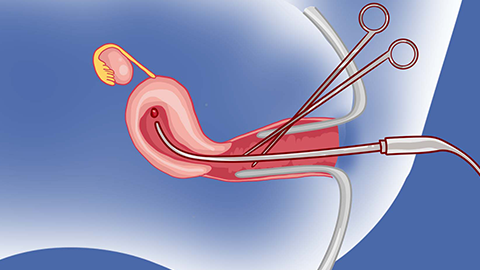
Cesarean delivery: This surgical procedure is indicated when maternal or fetal conditions necessitate prompt delivery—for example, in cases of cephalopelvic disproportion (narrow pelvis), placental abnormalities, abnormal birth canal anatomy, premature rupture of membranes with rapid amniotic fluid loss, or fetal anomalies. Cesarean delivery involves greater physical trauma: the surgery itself constitutes a significant wound, postpartum recovery is considerably slower than after vaginal delivery, and potential postoperative complications may arise. In summary, there are three primary modes of delivery for women, and each woman should select the most appropriate option based on her individual circumstances. We hope this article has been helpful. Wishing you a joyful life and good health!






