


What should be applied to treat ringworm on an infant’s face?
May 17, 2022
Source: Cainiu Health

Dr. Liu Wan
Introduction
A child’s skin is extremely delicate; once invaded by pathogens, it can easily develop rashes or plaques—and even tinea capitis (scalp ringworm). If a baby develops ringworm on the face, antifungal medications may be used. Corticosteroid ointments must be used with caution, as they may impair skin immunity and lead to recurrence of dermatological conditions. Since infants are particularly prone to various skin disorders, pharmacological treatment is one of the available therapeutic options.
In daily life, physical discomfort occasionally occurs; however, there’s no need to panic when it does. So—what should be applied to treat ringworm (tinea) on an infant’s face?
What Should Be Applied to Treat Ringworm on an Infant’s Face?
Children’s skin is extremely delicate; once compromised by pathogenic microorganisms, it readily develops rashes or plaques—and may even progress to tinea capitis (scalp ringworm). When an infant develops facial ringworm, topical antifungal medications are recommended. Corticosteroid ointments must be used with caution, as they can suppress local skin immunity and increase the risk of dermatological recurrence. Given infants’ heightened susceptibility to various skin conditions, pharmacologic treatment—including appropriate topical agents—is one effective therapeutic option. For facial ringworm, antifungal agents targeting the causative fungi are preferred. A dermatological evaluation is advised to confirm diagnosis; localized antifungal therapy is typically the first-line treatment for fungal infections such as tinea. Even after visible resolution of the lesions, antifungal treatment should be continued for an additional week to consolidate therapeutic effects and prevent relapse.
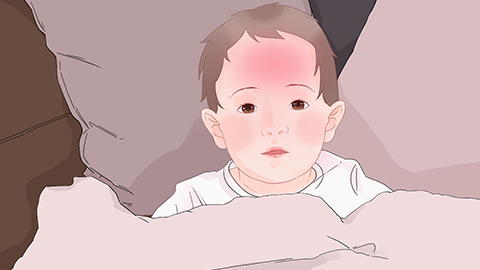
Under a physician’s guidance, proper medication use helps avoid adverse reactions. Concurrently with antifungal therapy, gently cleanse the affected skin regularly—avoid vigorous scrubbing or rubbing, and minimize exposure to irritants. When applying topical medications, ensure adequate hydration for the infant.
Infants with dry skin especially benefit from increased fluid intake—offering water and fresh fruit juices is ideal, as these not only replenish hydration but also supply essential nutrients. Additionally, caregivers should review and adjust daily care practices. Upon symptom onset, prompt medical consultation and appropriate treatment are crucial.
We hope this information proves helpful!






