


Why Do You Get Diarrhea After Drinking Alcohol?
May 18, 2022
Source: Cainiu Health

Dr. Zhao Haiming
Introduction
There are several reasons for diarrhea after drinking alcohol, as detailed below:
1. Patients with irritable bowel syndrome (IBS) may experience diarrhea following alcohol consumption.
2. Alcohol allergy—individuals with this condition may develop symptoms such as diarrhea, abdominal pain, and skin redness or swelling after drinking alcohol.
3. Gastrointestinal dysfunction—patients with weakened gastrointestinal function are particularly susceptible to acute gastroenteritis when their digestive tract is irritated by alcohol.
Medically defined diarrhea refers to an increase in stool frequency and/or a change in stool consistency—typically becoming loose or watery. In healthy adults, normal bowel movements occur once or twice daily, with stools being well-formed or semi-formed. If stools become loose and bowel movements increase in frequency, this may indicate diarrhea. So why does drinking alcohol trigger diarrhea?
Why Does Alcohol Consumption Cause Diarrhea?
There are several possible reasons for alcohol-induced diarrhea, as outlined below:
1. Irritable Bowel Syndrome (IBS): Individuals with IBS may experience diarrhea after consuming alcohol.
2. Alcohol Allergy or Intolerance: Some people may develop allergic or intolerance-related reactions to alcohol, manifesting as diarrhea, abdominal pain, skin redness, or swelling.
3. Gastrointestinal Dysmotility or Functional Disorders: In individuals with inherently weak gastrointestinal function, alcohol can irritate the digestive tract and precipitate acute gastroenteritis, leading to diarrhea.
4. Chronic Gastrointestinal Conditions: Pre-existing conditions such as chronic gastritis, colitis, or duodenal ulcers also significantly increase the likelihood of post-alcohol diarrhea.
In addition to the above, consider whether consumption of raw, cold, spicy, greasy, or otherwise irritating foods coincided with alcohol intake. It is generally advisable to limit alcohol consumption. If diarrhea frequently occurs after drinking, prompt medical evaluation is strongly recommended.
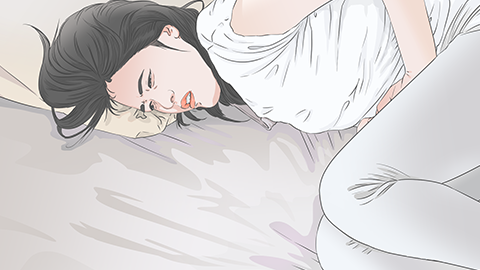
Diarrhea impairs the body’s ability to absorb nutrients, resulting in insufficient energy supply and inadequate intake of proteins, vitamins, and minerals—leading to corresponding deficiency syndromes. For example, insufficient intake of B-complex vitamins may cause glossitis, angular cheilitis, and polyneuropathy—all recognized complications of diarrhea. Vitamin A deficiency may result in dry skin, hair loss, and xerophthalmia.
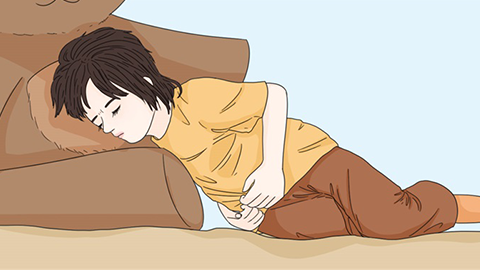
Prolonged or recurrent diarrhea can also lead to severe malnutrition. We hope this information has been helpful to you!






