


What Causes Vomiting After Drinking Alcohol?
May 18, 2022
Source: Cainiu Health

Dr. Zhao Haiming
Introduction
Causes of vomiting after alcohol consumption:
1. Alcohol exerts an irritant effect on mucosal cells in the digestive tract, triggering spasmodic contractions in gastrointestinal tissues such as the stomach and intestines. When intraluminal pressure increases, this leads to reflexive vomiting, expelling food and fluids from the digestive tract.
2. Alcohol also affects the sympathetic nervous system and the brain’s vomiting center.
Many people who drink excessively experience symptoms such as vomiting and dizziness. Some individuals feel better after vomiting, while others continue to suffer for an extended period afterward. So, what causes vomiting after drinking alcohol?
Causes of Vomiting After Alcohol Consumption
Causes of vomiting after drinking alcohol include:
1. Alcohol exerts an irritant effect on mucosal cells within the digestive tract. This irritation triggers spasmodic contractions in gastrointestinal tissues—including the stomach and intestines—leading to reflexive vomiting when intraluminal pressure increases due to accumulated food and fluids.
2. Alcohol also affects central nervous system components, including the sympathetic nervous system, the vomiting center, and fluid-regulation centers. Under alcohol’s influence, the vomiting center becomes hyperexcitable, resulting in nausea and vomiting.
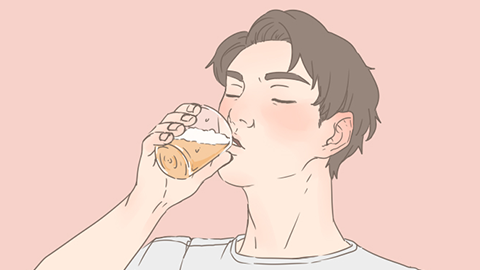
If vomiting persists after drinking, increasing fluid intake may help dilute gastric alcohol concentration, thereby reducing damage to the gastric mucosa and alleviating discomfort. Drinking ample water also supports alcohol metabolism and helps relieve vomiting. If honey is available at home, honey water may be consumed. For prolonged vomiting, warm glucose water can replenish lost fluids and nutrients while minimizing gastrointestinal irritation. Once vomiting symptoms subside slightly, consider taking a gastric medication—but consult a physician before initiating any drug therapy.
Adverse reactions following alcohol consumption—including nausea, vomiting, dizziness, and fatigue—vary significantly among individuals depending on their constitution. Severe vomiting or loss of consciousness after drinking warrants immediate medical evaluation to prevent potentially serious complications. We hope this information proves helpful!






