Can people with high uric acid levels eat peanuts?
May 18, 2022
Source: Cainiu Health

Dr. Liu Aihua
Introduction
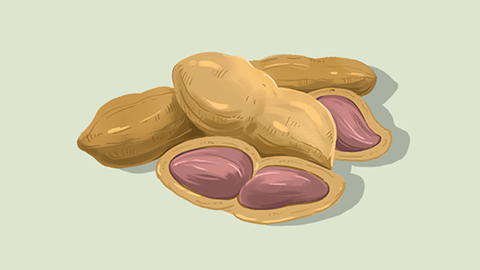
Peanuts contain all the essential amino acids required by the human body. However, individuals with hyperuricemia should limit their intake of nuts, including peanuts; thus, moderate consumption of peanuts can help ensure adequate nutritional intake. Excessive consumption, however, may lead to elevated fat intake and subsequent weight gain. Hyperuricemia—elevated serum uric acid levels—can result from either overproduction of uric acid or reduced renal excretion, both of which may be caused by multiple factors.
Some individuals with hyperuricemia wish to consume peanuts in daily life. Peanuts are highly nutritious, rich in fats and protein, as well as abundant in various vitamins and minerals. However, patients often remain uncertain whether peanuts are safe for them to eat. So, can people with high uric acid levels consume peanuts?
Can people with high uric acid levels eat peanuts?
Peanuts contain essential amino acids required by the human body. While patients with hyperuricemia should limit their intake of nuts, moderate peanut consumption may help ensure adequate nutritional support. Nevertheless, excessive intake may lead to elevated fat intake and subsequent weight gain.
Elevated serum uric acid levels may result from either excessive uric acid production or reduced uric acid excretion—both attributable to multiple factors, including genetic predisposition, environmental influences, geographical factors, endocrine and metabolic disorders, and dietary habits. Therefore, it is crucial to actively identify and eliminate potential triggers and to implement individualized treatment strategies based on each patient’s specific clinical condition. Management of hyperuricemia must be tailored to the individual—for instance, asymptomatic hyperuricemia typically does not require pharmacological intervention but necessitates regular follow-up monitoring.

If patients develop related symptoms, active pharmacological uric acid–lowering therapy is warranted, along with close monitoring of relevant laboratory parameters. Additionally, cultivating healthy dietary habits in daily life is essential. We hope this article has been helpful to you!