


What Is the White Substance Inside a Pimple?
May 18, 2022
Source: Cainiu Health

Dr. Liu Wan
Introduction
The white substance that can be squeezed out of pimples is sebum. However, you should never squeeze pimples with your fingers, as the sebum can easily penetrate deeper into the dermis through alternative pathways, triggering inflammation, worsening acne, and increasing the risk of post-inflammatory hyperpigmentation. The white material expressed from acne or pimples is sebum—produced by the sebaceous glands. Under normal conditions, sebaceous glands play a protective role for the skin.
Acne during puberty is a very common phenomenon in daily life. Some individuals cannot resist the urge to squeeze their pimples, only to discover a white substance inside—leaving them unsure of its nature. So, what exactly is this white material found within acne lesions?
What Is the White Substance Inside Acne Lesions?
The white material expressed from acne lesions is sebum—oil secreted by the sebaceous glands. However, it is strongly advised not to manually squeeze acne lesions. Doing so may force sebum deeper into the dermis through alternative pathways, triggering or exacerbating inflammation and potentially leading to post-inflammatory hyperpigmentation or scarring. The white substance expressed from acne (or “pimples”) is indeed sebum—the oily, waxy substance naturally secreted by sebaceous glands. Under normal conditions, sebum plays a protective role for the skin, combining with sweat to form the epidermal lipid barrier.
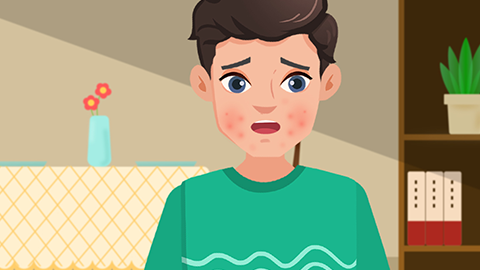
Acne is highly prevalent during adolescence, affecting nearly everyone to some degree. Individual susceptibility varies due to differences in constitution and underlying contributing factors. People with oily skin are particularly prone to acne, as their sebaceous glands produce more sebum than average, increasing the likelihood of pore obstruction and subsequent lesion formation. Additionally, individuals with abnormally thickened stratum corneum (hyperkeratosis) may experience impaired sebum excretion, further predisposing them to acne development. Moreover, with ongoing industrialization and urbanization, environmental pollution has intensified—exposing the skin to irritants and pollutants that can disrupt cutaneous homeostasis and promote acne.
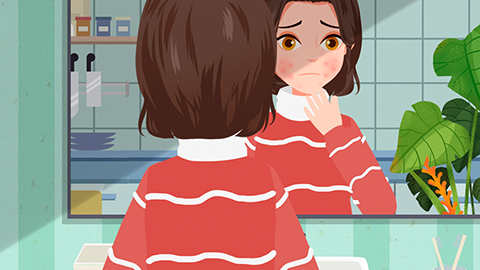
If you develop acne, try to avoid staying up late and maintain regular, healthy sleep habits. Diet should be light and balanced. We hope this article has been helpful to you!




