


Why Do You Get Headaches After Drinking Alcohol?
May 18, 2022
Source: Cainiu Health

Dr. Zhao Haiming
Introduction
The patient developed headache symptoms after drinking alcohol, primarily due to the following reasons:
1. Alcohol irritates blood vessels, causing excessive dilation of cerebral vessels, which triggers headache.
2. Components in alcohol stimulate the brain’s nerves as well as the meninges and fascia of the head, also contributing to headache.
3. Post-alcohol headache is associated with alcohol-induced fluctuations in blood pressure.
Alcoholic beverages are complex mixtures containing numerous chemical compounds, with ethanol being the primary component. In addition to ethanol, they also contain water and a wide variety of other chemical substances—such as organic acids, esters, aldehydes, and higher alcohols.
Why Does Headache Occur After Drinking Alcohol?
Headache following alcohol consumption arises from several key mechanisms: First, alcohol acts as a vasodilator, stimulating blood vessels—including those in the head—and causing excessive dilation, which can trigger headache. Second, certain components in alcoholic beverages may directly irritate the central nervous system, meninges, and fascia surrounding the brain, contributing to headache development. Third, alcohol-induced fluctuations in blood pressure play a significant role: rising blood alcohol concentration often leads to an acute surge in blood pressure, potentially provoking cerebral vasoconstriction or spasm, thereby precipitating headache. Patients who frequently experience headaches after drinking should consider abstaining from alcohol altogether, as chronic or heavy alcohol intake increases the risk of cerebrovascular events due to repeated blood pressure instability.
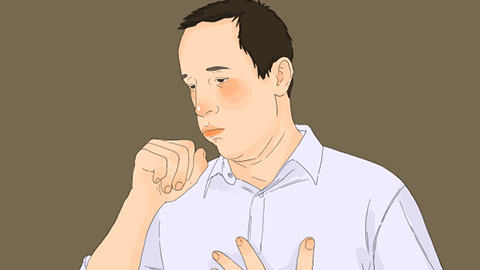
The adverse health effects of alcohol consumption are well documented. The liver is particularly vulnerable: chronic alcohol use can lead to alcoholic hepatitis, alcoholic cirrhosis, and alcohol-associated hepatocellular carcinoma. Beyond hepatic damage, alcohol adversely affects the gastrointestinal system—causing gastric mucosal erosion, stress ulcers, and even upper gastrointestinal bleeding in some individuals. Other vital organs—including the pancreas and kidneys—are also susceptible to alcohol-related injury.
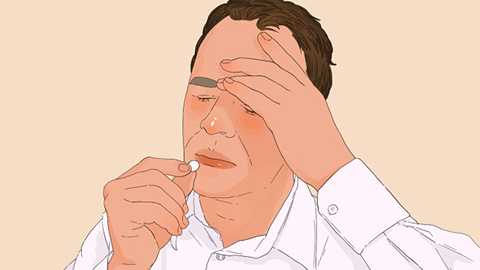
Binge drinking—especially when combined with overeating—can precipitate acute pancreatitis, a potentially life-threatening condition requiring prompt medical intervention. We hope this information has been helpful to you!






