


What are the complications of herpes zoster?
May 18, 2022
Source: Cainiu Health

Dr. Li Mingchuan
Introduction
Postherpetic complications of herpes zoster may include panophthalmitis and even meningitis—particularly when the infection involves the eye, which can lead to these severe outcomes. Secondary bacterial infection may result in panophthalmitis, subsequently causing visual impairment, insomnia, and facial paralysis. Herpes zoster affecting the scalp may also lead to alopecia.
In daily life, herpes zoster (shingles) is a very common skin disease. Some patients, after recovery, may develop certain sequelae. So, what are the sequelae of herpes zoster?
What Are the Sequelae of Herpes Zoster?
Potential sequelae of herpes zoster include panophthalmitis and even meningitis—particularly when the infection involves the eye, which may lead to these severe complications. Secondary bacterial infection can result in panophthalmitis, followed by visual impairment, insomnia, and facial paralysis. Herpes zoster affecting the head may also cause alopecia and permanent scarring, along with persistent skin pain. In elderly individuals with diminished immunity, the associated pain may be more pronounced, severely disrupting sleep and potentially leading to depression.
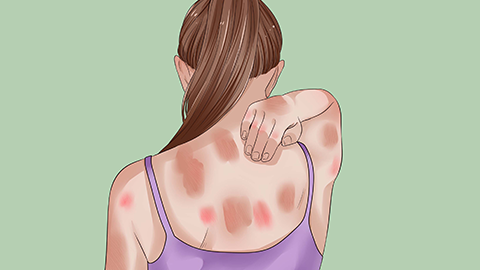
Herpes zoster is an acute, vesicular dermatosis caused by the varicella-zoster virus (VZV). It is characterized by clusters of vesicles distributed in a band-like pattern along a dermatome, typically unilateral, and accompanied by neuropathic pain. Recurrence after resolution is rare. The causative pathogen is the varicella-zoster virus; primary infection manifests as chickenpox. Subsequently, the virus enters sensory nerve endings in the skin and travels centrally via dorsal root ganglia, where it establishes lifelong latency within the spinal (or cranial) nerve ganglia.

If such symptoms occur, prompt medical treatment is essential. We hope this article has been helpful to you!




