


How long does it take to recover from shingles?
May 19, 2022
Source: Cainiu Health

Dr. Liu Wan
Introduction
In most cases, if patients receive standard treatment promptly upon initial diagnosis—and provided that both the dosage and duration of treatment are adequate—the condition can typically be cured within approximately one week. The exact treatment duration depends on the patient’s individual constitution and the specific medication used. However, delays in early detection and timely treatment, or lack of active patient cooperation with the treatment regimen, may prolong the treatment course and slow recovery.
In daily life, some individuals develop herpes zoster—a viral skin condition—due to poor personal hygiene, adversely affecting their daily routines and overall health. So, how long does it take to recover from herpes zoster?
How long does it take to recover from herpes zoster?
Typically, if patients receive standardized treatment promptly upon initial symptom onset—and adhere strictly to the prescribed dosage and treatment duration—recovery generally occurs within approximately one week. The exact recovery time depends on individual factors such as the patient’s physical constitution and the specific medications used. Delayed diagnosis or treatment, or lack of patient cooperation during therapy, may prolong the course of illness and slow recovery. Younger individuals often possess stronger immune defenses; consequently, they tend to respond more favorably to treatment and recover more quickly.
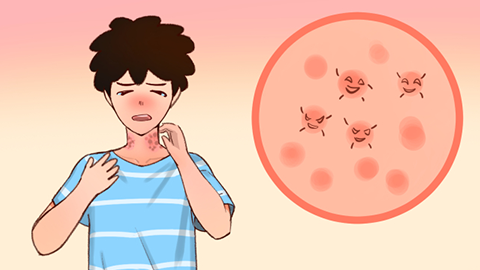
Patients with herpes zoster should avoid spicy and warming foods, as these may exacerbate internal heat. According to Traditional Chinese Medicine (TCM), herpes zoster arises from an accumulation of damp-heat and toxic fire in the muscles and skin; therefore, such foods are contraindicated. Patients should also limit intake of greasy foods, which are considered rich, nourishing, and obstructive—potentially aggravating the underlying damp-heat and toxin pathology and impeding recovery. Additionally, sour foods—which have astringent properties—should be consumed sparingly. Examples include peas, sticky fruits, pomegranates, taro, and spinach.
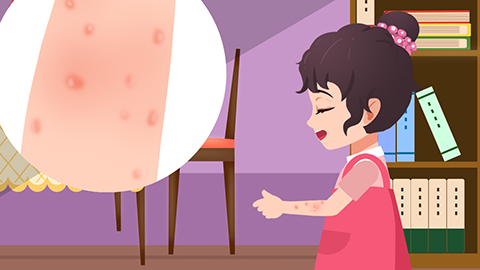
In daily life, maintaining good personal hygiene is essential to prevent fungal or bacterial infections. If skin conditions resembling eczema or herpes appear, prompt medical attention is crucial to avoid disruption to daily life. We hope this information proves helpful to you..







