


Can shingles be transmitted to others?
May 19, 2022
Source: Cainiu Health

Dr. Liu Wan
Introduction
Shingles is contagious to others. It is caused by the varicella-zoster virus (VZV), which is infectious and primarily spreads through contact with fluid from the blisters. Infants and children—who have never had chickenpox or shingles—are especially susceptible. Upon infection, these individuals typically develop chickenpox, as both shingles and chickenpox are caused by the same virus.
Herpes zoster (shingles) is a relatively common dermatological condition, commonly referred to in daily life as “snake-wrapping waist.” So, is herpes zoster contagious to others?
Is herpes zoster contagious to others?
Yes, herpes zoster is contagious. It is caused by the varicella-zoster virus (VZV), which is highly infectious—primarily transmitted via contact with fluid from the blisters. Infants and children who have never had chickenpox or shingles are especially susceptible. Upon infection, such individuals typically develop chickenpox, since both chickenpox and herpes zoster result from infection with the same virus.
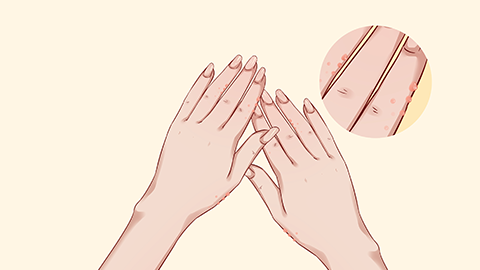
If elderly or middle-aged family members develop herpes zoster, they should minimize close contact with grandchildren and other young children, avoiding direct exposure to blister fluid to prevent viral transmission. Patients should also seek prompt medical treatment, particularly antiviral therapy. Initiation of antiviral treatment within 72 hours of symptom onset can effectively suppress rapid viral replication, accelerate clinical recovery, and reduce transmissibility. Due to their generally weaker immune systems, older adults who delay treatment face an increased risk of developing postherpetic neuralgia—a common complication—making early intervention critically important.
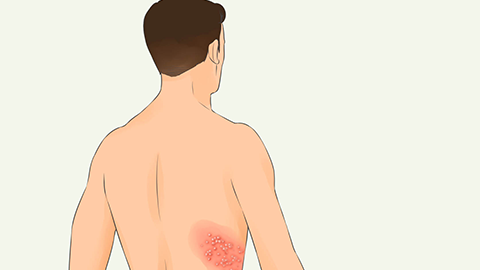
If you develop herpes zoster, there’s no need to become overly anxious. Ensure adequate rest, consume easily digestible foods, and maintain sufficient hydration. Avoid greasy, seafood-based, or egg-containing foods; instead, opt for light, bland meals. If secondary bacterial infection occurs, refrain from touching or rubbing the affected area with your hands—use prescribed medications to manage symptoms and prevent lesion rupture. In severe cases—especially among elderly patients with herpes zoster involving the head or face—hospitalization is recommended to prevent complications. We hope this information has been helpful. Wishing you good health and happiness!




