


What Causes Skin Allergies?
May 19, 2022
Source: Cainiu Health

Dr. Liu Wan
Introduction
The internal causes of skin allergies are associated with the patient’s individual predisposition to hypersensitivity, while external causes primarily involve exposure to allergens. When environmental conditions change, the skin may fail to adapt, leading to discomfort and allergic reactions. Medically, skin allergy mainly refers to adverse reactions triggered by irritants such as suboptimal cosmetics, chemical agents, pollen, certain foods, and polluted air.
Skin allergy is a very common phenomenon among dermatological conditions. Skin allergies arise from both internal and external factors. Internal factors refer to an individual’s inherent constitution—specifically, an “allergic predisposition.” So, what causes skin allergy?
What Causes Skin Allergy?
The internal causes of skin allergy are linked to the patient’s specific atopic (allergy-prone) constitution. External causes primarily involve exposure to allergens; when environmental conditions change, the skin may fail to adapt, resulting in discomfort and allergic reactions. Medically, skin allergy mainly refers to adverse reactions triggered by irritants such as substandard cosmetics, chemical agents, pollen, certain foods, and polluted air. These triggers can lead to abnormal skin manifestations—including erythema (redness), pruritus (itching), desquamation (peeling), and atopic dermatitis.

Inhaled allergens and certain foods can provoke immediate-type allergic reactions in the skin. Oral antiallergic medications include chlorpheniramine, Pruritus Granules, and Dermatopathy Toxin-Removing Pills. For localized allergic reactions, compound topical washes or clobetasol gel may be used. Diet should remain light and balanced; supplementation with vitamin C and calcium gluconate may aid recovery.
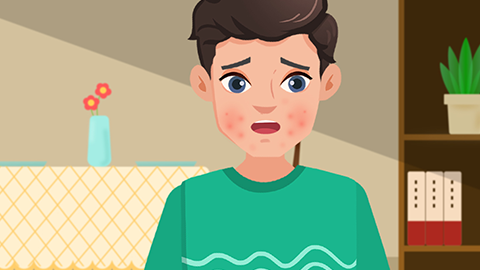
During episodes of skin allergy, avoid using cosmetics to allow the skin time to recover. Ensure adequate sleep, maintain a balanced diet, manage emotional well-being, avoid polluted environments and known allergens, and minimize skin irritation. Do not self-medicate. Without prior diagnosis and guidance from a dermatologist, do not purchase or use corticosteroid ointments (e.g., glucocorticoids) from pharmacies on your own. We hope this article has been helpful. Wishing you a joyful life and good health!





