


What Causes Lower Back Pain After Drinking Alcohol?
May 19, 2022
Source: Cainiu Health

Dr. Lin Yunfei
Introduction
After consuming alcohol, the body’s blood flow concentrates in the liver to metabolize ethanol. Consequently, systemic circulation decreases, leading to ischemia and hypoxia in muscles and fascia—particularly in the lumbar region—resulting in muscle and fascial stiffness and pain.
If lower-limb pain is also present, it is closely related to impaired qi circulation. Abnormal purine metabolism within the body can likewise cause lower-limb pain.
Low back pain—also referred to as pain in the lumbar or lumbosacral region—is a common overuse injury among middle-aged and older adults. So, what causes low back pain after drinking alcohol?
What Causes Low Back Pain After Drinking Alcohol?
After alcohol consumption, blood flow is redirected primarily to the liver for alcohol metabolism. Consequently, systemic circulation decreases, leading to transient ischemia and hypoxia in muscles and fascia—including those of the lower back—resulting in muscle stiffness and pain. If lower limb pain accompanies the low back pain, impaired circulation may also play a significant role. Abnormal purine metabolism can trigger lower limb pain, typically beginning at the feet and gradually ascending, potentially exacerbating or contributing to low back discomfort. In such cases, alcohol intake should be strictly limited, and consumption of high-protein foods should also be reduced.
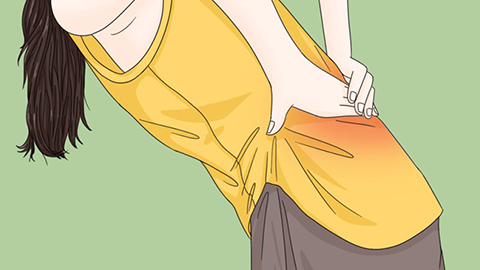
Alcohol-induced low back soreness may stem from maintaining a fixed sleeping posture after drinking, causing prolonged stretching of the lumbar musculature. Alternatively, it may reflect impaired alcohol metabolism, resulting in excessive lactic acid accumulation and subsequent muscle pain—often requiring no specific intervention. Moreover, the symptoms may not be directly attributable to alcohol consumption but rather to other factors, such as physical overexertion, excessive household chores, frequent masturbation, or underlying urological disorders.
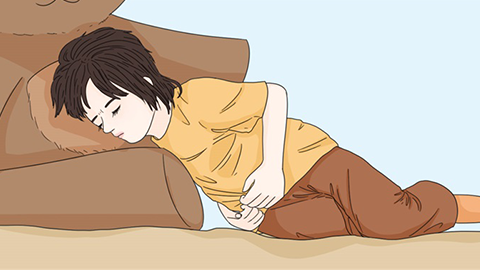
Initial management may include applying local heat to the lumbar region to alleviate symptoms, along with topical analgesic plasters. For confirmed lumbar muscle strain or lumbar disc herniation, orally administered transdermal-acting medications—such as Dahuoluo Capsules—may be considered. We hope this information proves helpful!






