


What is the normal value of progesterone?
May 23, 2022
Source: Cainiu Health

Dr. Lv Aiming
Introduction
Normal progesterone levels in women vary depending on the phase of the menstrual cycle. During the follicular phase, normal progesterone levels range from 0.6 to 1.0 nmol/L; during the ovulatory phase, they range from 2.4 to 9.4 nmol/L; and after ovulation (i.e., in the luteal phase), normal levels range from 20.8 to 103.0 nmol/L.
After a woman becomes pregnant, hormonal levels in her body undergo significant changes—such as human chorionic gonadotropin (hCG) and progesterone. hCG, also known as human chorionic gonadotropin, is secreted by the trophoblastic cells of the placenta. Serum hCG levels can be measured early in pregnancy to confirm whether a woman is pregnant. So, what constitutes a normal progesterone level?
What Is the Normal Progesterone Level?
Normal progesterone levels vary depending on the phase of a woman’s menstrual cycle or stage of pregnancy. During the follicular phase, the normal range is approximately 0.6–1.0 nmol/L; during ovulation, it rises to 2.4–9.4 nmol/L; after ovulation (i.e., in the luteal phase), the normal range is 20.8–103.0 nmol/L; and during pregnancy, progesterone levels typically range from 100–2000 nmol/L.
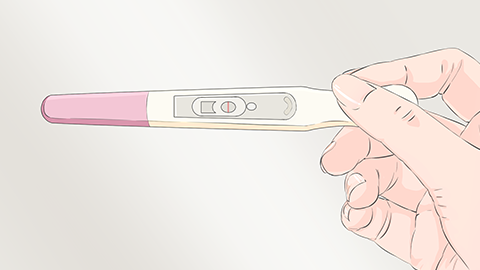
Progesterone is a naturally occurring progestogen hormone secreted by the corpus luteum in the ovaries. Clinically, it is used for diagnostic evaluation and management of conditions such as threatened abortion, recurrent miscarriage, amenorrhea, or other causes of menstrual dysfunction. For example, insufficient progesterone may cause the embryo to be recognized as a foreign body by the maternal immune system, leading to rejection and spontaneous abortion—thus preventing successful maintenance of pregnancy. Measuring progesterone levels is particularly meaningful during early pregnancy.

Regardless of when low progesterone levels are detected, it is advisable to consult a healthcare provider promptly for evaluation—enabling early identification and management of potential issues. During pregnancy, markedly low progesterone levels may trigger a pronounced maternal immune rejection response, increasing the risk of miscarriage. Timely intervention is essential. We hope this information is helpful to you! Wishing you good health and happiness!






