


How to Determine Whether You Have Rhinitis
May 26, 2022
Source: Cainiu Health

Dr. Guo Xiheng
Introduction
Methods for self-diagnosing rhinitis primarily rely on a comprehensive assessment of the patient’s own symptoms and clinical examination. Key manifestations include nasal congestion, rhinorrhea (clear or mucopurulent nasal discharge), and sneezing. Patients may also experience varying degrees of olfactory impairment, up to complete loss of smell. During acute exacerbations of rhinitis, associated symptoms such as headache and generalized fatigue may occur.
Rhinitis can significantly affect daily life, yet most people are uncertain whether they actually have it. So, how can one determine whether they suffer from rhinitis?
How to Determine Whether You Have Rhinitis
Diagnosis of rhinitis relies primarily on a comprehensive assessment combining the patient’s reported symptoms and clinical examination. Common manifestations include nasal congestion, rhinorrhea (runny nose), and sneezing—often accompanied by clear or mucopurulent nasal discharge. Patients may also experience diminished olfaction, or even complete loss of smell. During acute exacerbations, rhinitis may cause systemic symptoms such as chills, fever, headache, and generalized fatigue.

Rhinitis occurs more frequently among women and individuals with frail constitutions. It refers to inflammatory reactions in the nasal mucosa triggered by various physical, chemical, or biological factors—including bacteria, viruses, and allergens. The onset of rhinitis typically begins when bacteria or viruses invade the nasal mucosa under conditions of cold or excessive heat, provoking an inflammatory response. Secondly, individuals with specific atopic predispositions may develop allergic reactions upon exposure to airborne allergens such as pollen or dust mites; however, these allergens do not directly cause systemic conditions like hypertension or hypothyroidism—this statement is inaccurate and should be corrected.
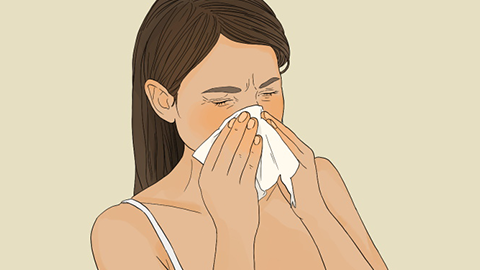
Such inflammation leads to nasal mucosal swelling and subsequently triggers a range of associated signs and symptoms characteristic of rhinitis. If symptoms appear, prompt medical evaluation at a healthcare facility is recommended, followed by appropriate management under professional medical guidance. We hope this information proves helpful to you!



