


Can individuals with gout donate blood?
May 28, 2022
Source: Cainiu Health

Dr. Pan Yongyuan
Introduction
Individuals with gout are not eligible to donate blood. This is because patients with gout often exhibit abnormal laboratory parameters—particularly elevated serum uric acid levels—and therefore do not meet the health requirements for blood donation. Donated blood must be free of any abnormalities and derived from healthy donors. Currently, there is no specific or curative drug for gout; management typically requires lifelong pharmacotherapy. Long-term medication use may lead to various adverse effects, potentially resulting in abnormal blood test results.
Donating one’s own blood—or components thereof, such as blood cells or plasma—to individuals in need. This includes whole-blood donation and component donation (e.g., plasma or platelets). Voluntary, unpaid blood donation is a noble act of selfless dedication aimed at saving lives and alleviating suffering. So, can individuals with gout donate blood?
Can individuals with gout donate blood?
Individuals with gout are not eligible to donate blood. This is because gout patients often exhibit abnormal laboratory parameters—particularly elevated serum uric acid levels—and donated blood must be healthy and free of abnormalities. Currently, there is no specific cure for gout; treatment typically involves long-term medication, which may cause various adverse effects and further contribute to abnormal blood test results. Therefore, blood donation is prohibited for gout patients—not only because their blood does not meet safety standards but also because donating blood offers no therapeutic benefit for gout. Gout is a metabolic disorder requiring dietary modifications and improvements in unhealthy lifestyle habits.
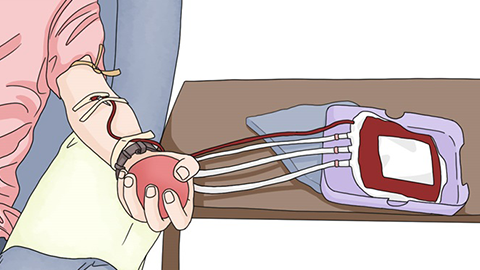
Regular blood donation confers health benefits, including reduced blood viscosity, improved circulation, and prevention of blood stasis. It also stimulates bone marrow hematopoiesis, enhances red blood cell production, and—when donating plasma or platelets—lowers blood lipid levels, thereby exerting a hypolipidemic effect. Moreover, after donating blood, donors and their immediate family members are entitled to a certain amount of free blood transfusion services, which may prove beneficial for future medical treatments.
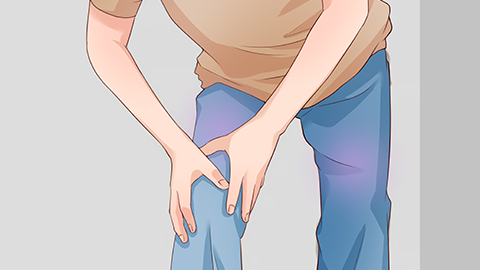
Note that strict health criteria apply to blood donation. Individuals with overt cardiovascular or cerebrovascular diseases, anemia, or infectious diseases are ineligible to donate. We hope this information has been helpful!






