Can people with gout eat mung beans?
May 28, 2022
Source: Cainiu Health

Dr. Pan Yongyuan
Introduction
Gout patients can consume mung beans, but they should do so in moderation. Uric acid is a byproduct of purine metabolism in the body; as a metabolic disorder, gout requires strict dietary control—primarily a low-purine diet. All types of alcoholic beverages—including beer, baijiu (Chinese distilled spirit), and wine—are rich in purines and interfere with purine metabolism; thus, alcohol is strictly prohibited. Organ meats, seafood, and meat broths are also high in purines and should be strictly avoided.
Mung beans can be consumed directly or processed to extract starch. So, can individuals with gout eat mung beans?
Can individuals with gout eat mung beans?
Yes, individuals with gout may consume mung beans—but only in moderation. Uric acid is a byproduct of purine metabolism in the body. As a metabolic disorder, gout requires strict dietary management, primarily involving a low-purine diet. Alcoholic beverages—including beer, baijiu (Chinese distilled spirit), and wine—are especially rich in purines and significantly interfere with purine metabolism; thus, they are strictly prohibited. Organ meats, seafood, and meat broths are also high in purines and must be avoided entirely. Freshwater fish, various meats, and soy-based products—including soybeans, mung beans, and black beans—contain moderate levels of purines and should therefore be consumed sparingly. A nutritionally balanced diet suffices. If kidney impairment is present, even stricter dietary restrictions apply.
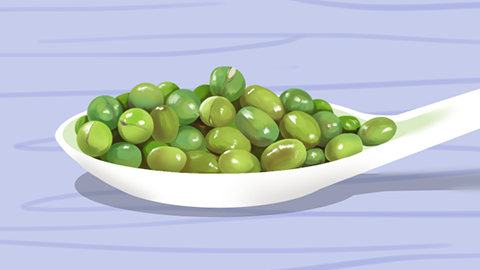
Mung beans contain a moderate amount of purines and may thus be consumed in small, controlled quantities. Especially during summer, traditional preparations such as mung bean soup offer natural cooling and heat-relieving benefits. However, mung bean pastries are not recommended, as their processing involves substantial added sugar—unfavorable for weight control in gout patients.
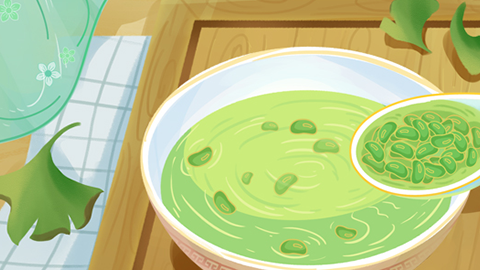
Individuals with gout should limit intake of legumes—including mung beans and soybeans—as these are considered moderately high-purine foods. While complete avoidance is not mandatory, consumption should be minimized. In contrast, bean sprouts contain very low levels of purines and may be safely consumed. Beef has relatively low purine content; thus, patients in remission may include it in moderation as part of their regular diet. Most vegetables are low in purines, but exceptions include dried shiitake mushrooms, peanuts, and chestnuts—all of which are higher in purines and should be avoided. We hope this article has been helpful. Wishing you a joyful life and optimal health!