


What should I do if I have both myopia and presbyopia?
May 30, 2022
Source: Cainiu Health

Dr. Chen You
Introduction
Although individuals with myopia can develop presbyopia just like those without myopia, people with myopia typically develop presbyopia at a relatively later age. Patients with both myopia and presbyopia may improve their vision through conservative management (e.g., corrective eyeglasses) or surgical intervention. Conservative management: Myopia and presbyopia are two distinct refractive errors; reading glasses cannot correct myopia, and presbyopia is a degenerative condition.
As people age and their bodily functions gradually decline, many develop presbyopia. Some individuals with myopia also begin to experience presbyopia, resulting in blurred vision both at distance and near. So, what should one do if they have both myopia and presbyopia?
Managing Coexisting Myopia and Presbyopia
Although individuals with myopia are just as susceptible to presbyopia as those without myopia, the onset of presbyopia tends to occur later in myopic individuals. Patients with both myopia and presbyopia may improve their vision through conservative treatment (e.g., corrective eyewear) or surgical intervention.
Conservative Treatment: Myopia and presbyopia are two distinct refractive errors; reading glasses alone cannot correct myopia, as presbyopia is a degenerative condition. To address the inconvenience of needing two separate pairs of glasses—one for distance (myopia correction) and another for near tasks (presbyopia correction)—specialized multifocal or progressive lenses can be prescribed, enabling clear vision at both distance and near without frequent lens switching.
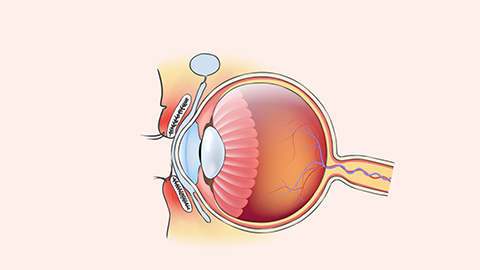
Surgical Treatment: Presbyopia arises primarily from age-related lens hardening and diminished accommodative ability of the eye. For patients who frequently engage in near-vision tasks—such as surgeons, researchers, or professionals who regularly use electronic devices—refractive cataract surgery with implantation of a multifocal intraocular lens (IOL) may effectively resolve both presbyopia and any coexisting cataract-related visual impairment.
In daily diet, foods rich in vitamin A, vitamin B, and lutein—such as pork liver, spinach, and beef—can help alleviate visual fatigue and support healthy aging of the eyes. We hope this information is helpful to you. Wishing you good health and happiness!





