


How Do Rheumatic and Rheumatoid Conditions Develop?
Jun 05, 2022
Source: Cainiu Health

Dr. Liu Aihua
Introduction
Rheumatism and rheumatoid arthritis are closely associated with environmental factors, as rheumatoid arthritis is traditionally attributed in Traditional Chinese Medicine (TCM) to pathogenic influences—namely wind, cold, and dampness. Consequently, exposure to damp or cold environments can trigger the onset of this condition. Furthermore, rheumatoid arthritis is also linked to constitutional (bodily) factors. According to TCM theory, when the body’s vital Qi (Qi) is robust and properly stored within, it resists pathogenic invasion. However, when the body is weakened, its defensive capacity diminishes, rendering it susceptible to disease.
Although “rheumatism” and “rheumatoid disease” differ by only one character in Chinese, they are two entirely distinct conditions—yet many people confuse them. In fact, these two diseases are markedly different. So, how do rheumatism and rheumatoid arthritis develop?
How Do Rheumatism and Rheumatoid Arthritis Develop?
The onset of both rheumatism and rheumatoid arthritis is strongly associated with environmental factors. According to traditional Chinese medicine (TCM), rheumatoid arthritis is caused by exposure to wind, cold, and dampness; thus, a cold, damp environment may trigger the disease. Additionally, rheumatoid arthritis is linked to constitutional (internal) factors. TCM holds that when the body’s vital Qi (vital energy) is robust and well-contained internally, pathogenic influences cannot invade. However, when the body is weakened, external pathogens can more easily penetrate and cause disease. Furthermore, considering the typical age of onset, rheumatoid arthritis most commonly affects women around the time of menopause. The condition is also associated with endocrine factors: hormonal imbalances and declining endocrine function may contribute to disease development.
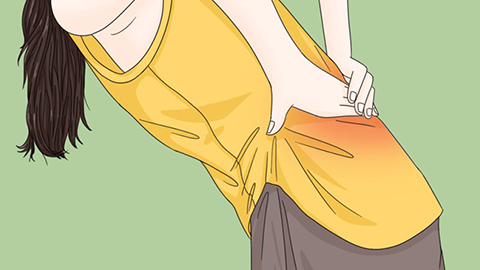
To prevent rheumatism and rheumatoid arthritis, it is essential first and foremost to keep the joints warm and shield them from cold, damp winds—avoiding chills altogether. During winter, wearing protective clothing outdoors is highly recommended. Additionally, engaging in appropriate physical exercise helps prevent muscle atrophy and reduces the risk of disease recurrence. Regarding diet, maintaining acid-base balance is important; consuming foods rich in plant-derived organic alkaline compounds is beneficial.

If symptoms suggestive of either condition appear, prompt medical evaluation and treatment under a physician’s guidance are crucial. We hope this information has been helpful to you.






