


Foods to Avoid with Pneumonia
Jun 06, 2022
Source: Cainiu Health

Dr. Guo Xiheng
Introduction
Avoid spicy, raw, and cold foods. Patients with pneumonia should not consume spicy, raw, or cold foods—such as chili peppers and mustard—as these may irritate the respiratory mucosa, leading to edema and congestion, thereby hindering recovery. Additionally, avoid strong tea, cola, coffee, and cold foods such as ice cream.
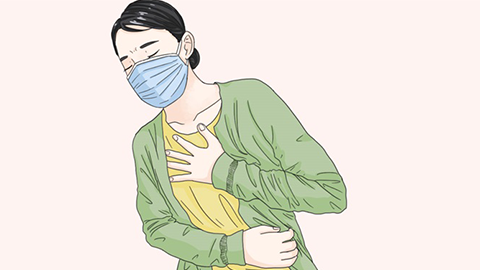
After developing pneumonia, patients may experience various adverse symptoms—including coughing, sputum production, chest pain, and wheezing—which can significantly impair daily life and work performance. Therefore, prompt and active treatment is essential upon diagnosis. Special attention must also be paid to diet during treatment; inappropriate dietary choices may hinder recovery or even exacerbate the condition. So, what foods should be avoided in pneumonia?
Foods to Avoid with Pneumonia
Avoid spicy, raw, and cold foods. Patients with pneumonia should refrain from consuming spicy or cold items such as chili peppers and mustard. These foods may irritate the respiratory mucosa, leading to edema and congestion—thereby impeding recovery. Additionally, avoid strong tea, cola, coffee, and cold foods like ice cream. Such beverages and foods contain numerous additives that can irritate the bronchi, potentially triggering bronchospasm and worsening cough symptoms. Also avoid high-sugar foods: although sugar provides calories, it contains virtually no other nutrients and can suppress the bactericidal activity of white blood cells. The greater the sugar intake, the more pronounced this inhibitory effect becomes—directly aggravating the illness.

Avoid spicy foods altogether, as they are highly irritating and may cause heat damage. Thus, spicy oils, pepper, and other pungent seasonings should not be included in the diet of children with pneumonia. Also avoid greasy and sticky foods. Following pneumonia onset, digestive function often becomes impaired. Excessive consumption of fatty foods further compromises digestion and hinders timely absorption of essential nutrients—ultimately weakening the body’s resistance to disease. If drinking milk, remove the creamy layer on top; nursing mothers should likewise limit their intake of greasy foods to prevent worsening of the child’s condition.
It is advisable to minimize intake of raw, cold, fresh, or fish-based foods—especially cold seafood and chilled desserts such as ice cream. These should be consumed sparingly or avoided altogether. We hope this information proves helpful.





