


What Causes Persistent Hiccups in Newborns After Feeding?
Jun 06, 2022
Source: Cainiu Health

Dr. Xie Zixing
Introduction
It is normal for babies to burp after feeding, as newborns’ digestive systems are not yet fully developed. The pylorus (the opening between the stomach and the small intestine) is relatively narrow, and the lower esophageal sphincter is relatively relaxed. Additionally, infants consume only small amounts per feeding, making burping common after breastfeeding. Burping after feeding may result from diaphragmatic spasm. To alleviate this, hold the baby upright against the adult’s shoulder and gently but firmly pat the baby’s back.
Hiccups after feeding are a very common occurrence in newborns, causing considerable anxiety and concern among many new mothers. So, what causes persistent hiccups in newborns after feeding?
What Causes Persistent Hiccups After Feeding in Newborns?
Hiccups following feeding are generally considered a normal physiological phenomenon in newborns. This is primarily due to their immature digestive system: the pylorus (the opening between the stomach and duodenum) is relatively narrow, and the lower esophageal sphincter is comparatively relaxed. Additionally, newborns have small gastric capacity, making them prone to hiccups after breastfeeding. Furthermore, hiccupping may also result from diaphragmatic spasms.
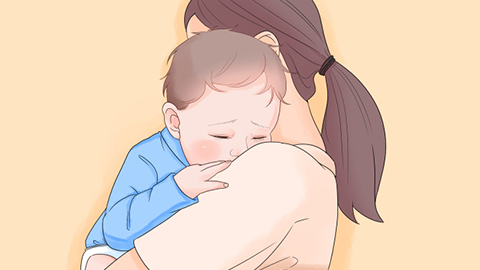
Hiccups after feeding may be caused by diaphragmatic spasm. To alleviate this, hold the baby upright against your shoulder and gently but firmly pat their back. Additionally, gastroesophageal reflux (GER) is common in young infants. If the baby experiences spitting up or regurgitation, GER may be present. Elevating the head of the crib by 30 degrees, positioning the baby with their upper body raised, or placing them on their side may help reduce hiccups. For breastfeeding mothers, maintaining a light, bland diet—avoiding spicy, stimulating, or greasy foods—is recommended. If symptoms persist or worsen, prompt medical evaluation and treatment are necessary.

Because all organ systems in newborns are still developing, they are highly susceptible to bacterial and viral infections. Therefore, new mothers must exercise great care when caring for their newborns—ensuring proper feeding practices and adequate warmth. We hope this information is helpful to you!






