


How Does Traditional Chinese Medicine Treat Tracheitis?
Jun 06, 2022
Source: Cainiu Health

Dr. Guo Xiheng
Introduction
Traditional Chinese Medicine (TCM) treats tracheitis primarily through herbal medicine and acupuncture, which help regulate the meridians, Qi, and blood—especially those associated with menopause—and modulate lung-related meridians via specific acupoints to alleviate tracheitis symptoms. Additionally, therapies such as cupping, moxibustion, bloodletting, and auricular acupressure (e.g., pressing seeds on ear points) are highly beneficial for bronchitis. Therefore, it is essential to accurately determine the disease stage when managing bronchitis symptoms.
Tracheitis, a common condition in modern life, significantly impairs quality of life. Many individuals diagnosed with tracheitis are uncertain about appropriate treatment options. So, how does Traditional Chinese Medicine (TCM) treat tracheitis?
How TCM Treats Tracheitis
TCM primarily treats tracheitis using herbal medicine and acupuncture to regulate the flow of Qi and blood through the meridians—particularly those associated with the lungs—to alleviate symptoms. Additionally, adjunctive therapies such as cupping, moxibustion, bloodletting (pricking and bleeding at specific acupoints), and auricular acupressure (e.g., seed or bead application on ear points) can be highly beneficial for bronchitis. Therefore, accurate assessment of the disease stage—whether mild or severe—and determination of whether a single or integrated therapeutic approach is required are essential.

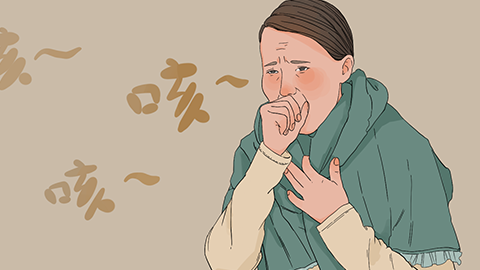
Bronchitis is primarily caused by viral infection; however, some patients may develop secondary bacterial infection. The hallmark symptoms include cough and sputum production; many also present with upper respiratory tract infection manifestations such as nasal congestion, rhinorrhea, sore throat, and productive cough. Some patients may experience systemic symptoms due to fever—including headache, dizziness, fatigue, and myalgia in the limbs. Upon onset of these symptoms, prompt administration of antitussive and expectorant medications, along with compound cold remedies, is recommended.
It is crucial to protect the throat to prevent bronchitis. If bronchitis develops, prompt medical evaluation and treatment at a hospital are advised. We hope this information proves helpful!




