


What Foods Should You Eat When You Have a Cold and Fever?
Jun 06, 2022
Source: Cainiu Health

Dr. Jiang Weimin
Introduction
During a cold or fever, the body is relatively weak, and the functions of various organs may be affected. Therefore, it is recommended to choose easily digestible, nutrient-rich foods. Appetite typically decreases during colds and fevers, so meals should primarily consist of liquid foods. Once body temperature returns to normal and appetite improves, the diet can gradually transition to semi-liquid or soft foods.
When the weather fluctuates rapidly between cold and hot, we are more prone to catching a cold. So, what foods should one eat when experiencing a cold with fever?
Foods Suitable During a Cold with Fever
During a cold accompanied by fever, the body is generally weakened, and organ function may be impaired. Therefore, it is advisable to consume easily digestible, nutrient-rich foods. Appetite typically decreases during colds and fevers, so meals should primarily consist of liquid or semi-liquid foods. Once body temperature normalizes and appetite improves, one may gradually transition to semi-liquid or soft foods. Dietary choices must also consider two key factors: first, compatibility with prescribed medications (i.e., proper post-medication dietary management), and second, alignment with the clinical course of the illness. During the early stage of a cold, avoid raw, cold, or greasy foods. For symptoms such as thirst, irritability, or constipation, increase intake of pear juice, orange juice, watermelon, congee (rice gruel), and mung bean soup—while continuing to avoid raw, cold, or greasy foods.

In addition to taking cold medication, some people drink alcohol to promote sweating, while others continue social engagements and consume alcohol even after taking cold medicine. In fact, these practices are highly detrimental. Cold medications come in many varieties, most containing acetaminophen (paracetamol). While such medications effectively relieve cold-related symptoms—including headache and fever—they must never be taken with alcohol.
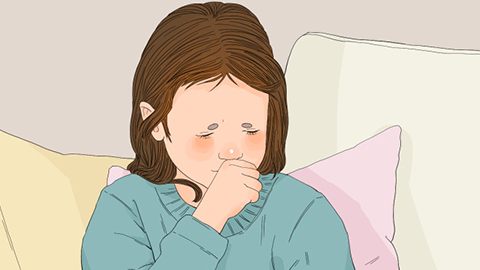
Patients with colds and fever should also prioritize adequate hydration and sufficient rest, avoid outdoor physical activity, and practice isolation from family members to prevent transmission of influenza. Wishing you good health and a joyful life!






