


How to Relieve Lower Abdominal Pain After Holding Urine
Jun 07, 2022
Source: Cainiu Health

Dr. Li Mingchuan
Introduction
You should promptly seek medical attention from a urologist. Routine urinalysis commonly reveals increased bacterial counts, with white blood cells and red blood cells filling the microscopic field. Most patients experience significant improvement in lower abdominal pain upon urination after approximately four weeks of sequential treatment with effective antibiotics, such as azithromycin dispersible tablets or levofloxacin tablets.
Often, it’s inconvenient to use a restroom when outdoors, forcing one to hold urine—but doing so may lead to lower abdominal pain. So, how can lower abdominal pain following urinary retention be relieved?
How to Relieve Lower Abdominal Pain After Urinary Retention
Prompt consultation with a urologist is essential. Routine urinalysis commonly reveals elevated bacterial counts and abundant white blood cells and red blood cells in the urine. A four-week course of sequential antibiotic therapy—using effective agents such as azithromycin dispersible tablets or levofloxacin tablets—typically leads to marked improvement in lower abdominal pain following urinary retention in most patients. Post-void lower abdominal pain is most frequently caused by cystitis secondary to a urinary tract infection (UTI). During cystitis, pathogenic microorganisms infect and irritate the bladder neck and trigone mucosa, resulting in localized mucosal edema and erosion. Patients may experience abdominal distension or dull pain during urination.
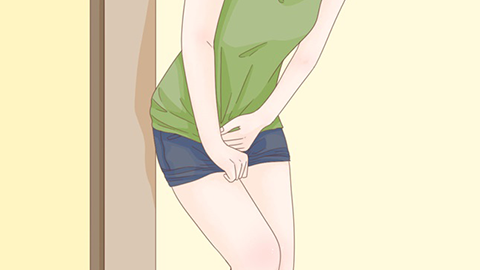
Avoid habitual urinary retention, as it increases the risk of urinary tract infections. If symptoms such as urinary urgency or frequency occur, seek medical evaluation promptly for urinalysis to identify and treat the underlying cause. Additionally, cultivate healthy voiding habits.
Moreover, rest is the most effective way to recover from various discomforts. Prolonged physical tension, overwork, or fatigue significantly impede symptom resolution. Avoid excessive consumption of spicy or highly stimulating foods, and limit intake of alcohol and caffeine; under these conditions, symptoms typically resolve rapidly. We hope this information proves helpful!






