


What Kind of Red Spots Indicate Leukemia?
Jun 08, 2022
Source: Cainiu Health

Dr. Liu Wan
Introduction
Pinpoint- or millet-sized red spots frequently appearing on the skin may indicate leukemia. Such red spots can also result from allergic reactions. If red spots persist on the skin for an extended period, it is advisable to visit a hospital for a complete blood count (CBC) or platelet count test. These tests will help confirm whether leukemia is present. Leukemia treatment typically involves chemotherapy to slow disease progression.
Leukemia commonly presents clinically with fever, bleeding, and anemia. Patients with leukemia may develop red spots on their skin; however, what types of red spots are associated with leukemia?
What Types of Red Spots Are Associated with Leukemia?
Pinpoint- or millet-sized red spots frequently appearing on the skin may indicate leukemia. However, such red spots can also result from allergic reactions. If red spots persist on the skin for an extended period without resolving, patients should seek medical evaluation—including a complete blood count (CBC) and platelet count—to determine whether leukemia is present. A definitive diagnosis of leukemia can be established following these tests. Typically, chemotherapy is required to slow disease progression, while curative treatment necessitates a suitable bone marrow transplant.
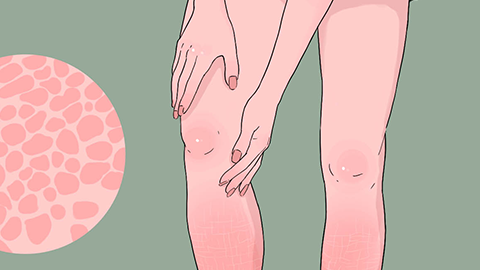
Anemia is often the first symptom of leukemia. The more severe the anemia, the more advanced the leukemia tends to be. Initially, patients commonly exhibit signs of anemia—such as pallor, lack of skin luster, fatigue, lethargy, and excessive sweating. During early disease onset, patients may experience varying degrees of fever, typically ranging between 38°C and 40°C, often accompanied by chills and diaphoresis. While leukemia itself can cause fever, high-grade fever frequently suggests the presence of infection.
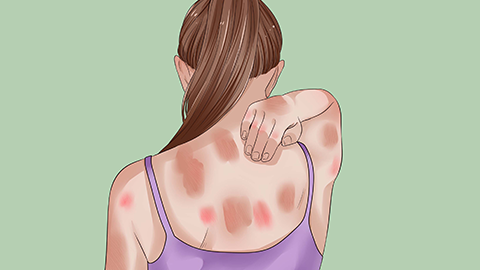
Patients should adopt a “small, frequent meals” dietary approach to facilitate digestion. Particularly during treatment, individuals with leukemia frequently experience gastrointestinal side effects—including nausea, vomiting, abdominal distension, and diarrhea. In such cases, eating smaller portions more frequently throughout the day is recommended. We hope this information proves helpful.



