


What should I do for a sore, itchy throat caused by allergic rhinitis?
Jun 08, 2022
Source: Cainiu Health

Dr. Guo Xiheng
Introduction
Patients may take oral antihistamines and receive inhaled corticosteroids. If symptoms such as rhinorrhea, sneezing, or nasal congestion are present, nasal secretions may irritate the pharynx; in such cases, intranasal corticosteroids may be administered to relieve nasal congestion. Additionally, patients may use saline nasal irrigation. When nasal congestion is severe, a decongestant may be added. With comprehensive treatment, allergic symptoms can resolve rapidly.
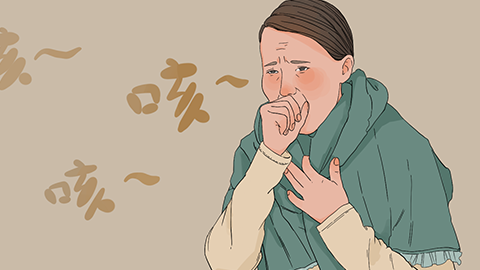
Some patients with allergic rhinitis frequently experience dryness and itching in the throat—a condition that not only harms physical health but also significantly impairs daily life and work performance. So, what should be done when allergic rhinitis causes throat itching?
How to Manage Throat Itching Caused by Allergic Rhinitis
For throat itching resulting from allergic rhinitis, patients may take oral antihistamines alongside inhaled corticosteroid therapy via nebulization. If symptoms such as nasal discharge, sneezing, or nasal congestion are present—potentially causing postnasal drip that irritates the pharynx—topical intranasal corticosteroids may be prescribed to alleviate nasal congestion. Additionally, patients can perform nasal irrigation using isotonic saline solution; for pronounced nasal congestion, a decongestant may be added to the saline rinse. With comprehensive treatment, allergic symptoms typically subside rapidly. In patients with pollen allergy and seasonal disease onset, both allergic rhinitis and associated throat itching usually resolve upon conclusion of the allergy season.

Allergic rhinitis is a Type I hypersensitivity reaction occurring in individuals with an atopic constitution upon exposure to specific allergens. Therefore, to confirm whether symptoms stem from allergic rhinitis, allergen testing is strongly recommended to identify the precise triggers. If food allergens are identified, strict avoidance of those foods will help reduce symptom severity. For inhalant allergens, individuals should wear masks outdoors and avoid areas with high pollen counts (e.g., blooming gardens) or excessive dust. Pet ownership is contraindicated for those allergic to animal dander. During periods of high airborne dust, maintaining a clean indoor environment is essential—bedding should be regularly sun-dried and treated for dust mite elimination.
In daily life, avoid spicy and irritating foods, drink ample water to support metabolic function, and engage in appropriate outdoor exercise to strengthen immunity. We hope this information proves helpful!



