


Distinguishing Rheumatic Pain from Calcium-Deficiency Pain
Jun 10, 2022
Source: Cainiu Health

Dr. Liu Aihua
Introduction
The distinction between rheumatic pain and pain caused by calcium deficiency lies in their differing onset times and clinical manifestations.
1. Rheumatic pain is joint- and muscle-related pain resulting from rheumatoid arthritis—including both rheumatoid arthritis itself and related arthritic conditions. Pain most commonly occurs in the limbs, muscles, and spinal joints, with the hands being the most frequently affected site. Its underlying pathophysiological mechanism involves autoantibodies that attack the body’s own tissues.
As people age, they often begin to experience various health issues. Rheumatic pain, in particular, becomes increasingly common—especially among women—due to physiological factors.
Distinguishing Rheumatic Pain from Calcium-Deficiency Pain
The key differences between rheumatic pain and calcium-deficiency pain lie in their onset timing and clinical manifestations.
- Rheumatic pain is caused by rheumatoid arthritis—a chronic autoimmune disorder affecting joints and surrounding tissues—including synovial membranes, tendons, and ligaments. Pain most commonly occurs in the limbs, muscles, and spinal joints, with the hands being the most frequently affected site. Its underlying pathophysiology involves autoantibodies that mistakenly attack the body’s own tissues, triggering localized inflammation, exudation, and adhesion. Consequently, patients typically experience dull, aching, or throbbing pain. During acute flares, affected areas may become red, swollen, and warm to the touch; joint stiffness and general discomfort are also common—particularly in damp or cold environments.
- Calcium-deficiency pain results from insufficient calcium ions in the body, leading to increased excitability of muscles and nerves. This heightened excitability causes sustained muscle contraction, resulting in cramps and spastic pain. The most common sites include the limbs, chest, and abdominal muscles—with calf and abdominal muscles especially prone. Such pain tends to occur more frequently during nighttime sleep or when exposed to cold conditions.
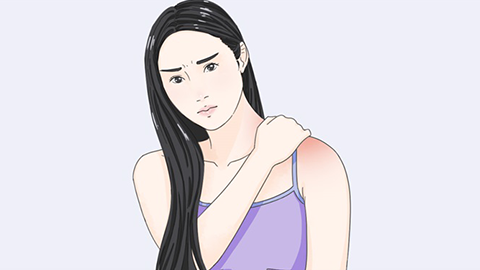
Rheumatic diseases are typically characterized by early-onset joint or muscular tissue pain. Prior to definitive diagnosis, patients may, under medical supervision, use certain antipyretic-analgesic medications—such as ibuprofen (e.g., Fenbid®) or celecoxib—to alleviate symptoms. However, most antipyretic-analgesics carry gastrointestinal side effects; thus, individuals with gastric ulcers or gastritis should use them with caution. Patients should inform their physicians about any pre-existing gastrointestinal symptoms or conditions so that an appropriate analgesic can be selected. Since different antipyretic-analgesics have varying durations of action, physicians will tailor drug selection and dosage based on individual patient needs.
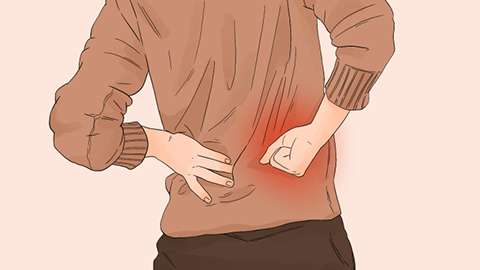
If symptoms suggestive of disease arise, prompt medical consultation is essential. Additionally, maintaining warmth and ensuring adequate rest are important preventive measures in daily life. We hope this information proves helpful to you.


