


Symptoms of Viral Pneumonia
Jun 10, 2022
Source: Cainiu Health

Dr. Guo Xiheng
Introduction
Symptoms of viral pneumonia include fatigue, fever, cough, and headache. Viral pneumonia refers to pulmonary inflammation caused by viral infection—specifically, a severe lung inflammation resulting from the downward spread of an upper respiratory tract viral infection. Generally, the clinical presentation of this condition is relatively mild, with a gradual onset. Initial symptoms typically include headache and fever, accompanied by a small amount of sputum production.
Viral pneumonia commonly occurs in children and the elderly, particularly in individuals with compromised immunity who are more susceptible to viral infections. Since different viruses cause the disease, initial symptoms may vary; however, most cases share common clinical features. If symptoms of viral pneumonia appear, prompt medical evaluation is essential to prevent rapid disease progression, safeguard life and health, and maintain normal bodily function. So, what are the symptoms of viral pneumonia?
Symptoms of Viral Pneumonia
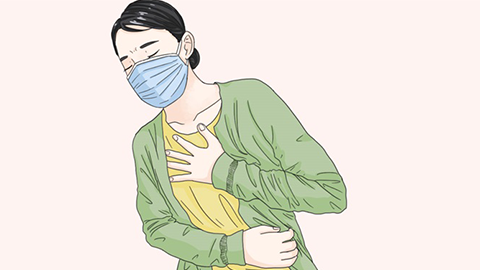
Symptoms of viral pneumonia include fatigue, fever, cough, and headache. Viral pneumonia refers to pulmonary inflammation caused by viral infection—typically resulting from downward spread of an upper respiratory tract viral infection into the lungs. Clinically, the disease is generally mild and insidious in onset. Initial manifestations often include headache and fever, accompanied by scant sputum production. Physical examination may reveal no prominent positive signs, while chest X-ray typically shows patchy, nodular, or diffuse infiltrative shadows in the lungs. Laboratory tests usually show no significant leukocytosis; white blood cell counts are often normal, slightly decreased, or only mildly elevated.

Treatment for viral pneumonia generally involves supportive care—including adequate nutrition, sufficient rest, and increased fluid intake. For patients experiencing chest tightness, supplemental oxygen inhalation may be administered. Fever can be managed with physical cooling measures (e.g., cold compresses); antipyretics may be used when necessary. Patients with cough and sputum production may benefit from antitussive and expectorant medications. Symptomatic and antiviral therapies are both important: in severe cases, oral oseltamivir or other antiviral agents may be prescribed under physician guidance. However, the cornerstone of treatment remains strengthening the body’s natural resistance.
Dietary recommendations for patients include avoiding spicy and irritating foods, ensuring adequate nutritional intake, and consuming easily digestible meals. We hope this information proves helpful.







