


Does an elevated erythrocyte sedimentation rate (ESR) indicate rheumatoid arthritis?
Jun 10, 2022
Source: Cainiu Health

Dr. Liu Aihua
Introduction
An elevated erythrocyte sedimentation rate (ESR) does not necessarily indicate rheumatoid arthritis. ESR is a nonspecific marker of inflammation and may therefore be elevated in both infectious and noninfectious conditions. For example, an elevated ESR can occur in common colds, diarrhea, and acute pneumonia; thus, an elevated ESR alone is not diagnostic of rheumatoid arthritis. Diagnosis of rheumatoid arthritis should be based on clinical symptoms, inflammatory markers, and the presence of specific autoantibodies.
Elevated erythrocyte sedimentation rate (ESR) can cause severe joint discomfort in patients, making timely intervention and treatment essential. For patients with elevated ESR associated with rheumatoid arthritis, the primary focus should be on actively managing the underlying rheumatoid disease, identifying potential comorbidities, and then implementing appropriate therapeutic measures—including dietary modifications.
Does an elevated ESR indicate rheumatoid arthritis?
An elevated ESR does not necessarily signify rheumatoid arthritis. ESR is a nonspecific marker of inflammation and may be elevated in both infectious and noninfectious conditions. For instance, elevated ESR can occur in common colds, diarrhea, and acute pneumonia; therefore, an elevated ESR alone is insufficient to diagnose rheumatoid arthritis. Diagnosis requires integration of clinical symptoms, inflammatory markers, and detection of specific autoantibodies (e.g., rheumatoid factor and anti-citrullinated protein antibodies). However, it is well established that in confirmed rheumatoid arthritis patients, an elevated ESR typically reflects heightened disease activity—thus warranting standardized, evidence-based treatment.

Rheumatoid arthritis (RA), its full name, is a highly prevalent autoimmune rheumatic disorder characterized primarily by joint swelling and pain. Commonly affected joints include the interphalangeal joints, wrists, knees, and ankles. Joint involvement is typically symmetrical and frequently accompanied by pronounced morning stiffness. Early manifestations predominantly involve joint swelling and pain.
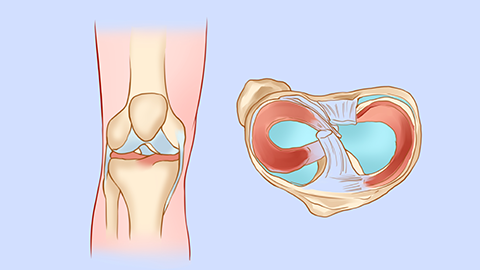
Patients with rheumatoid arthritis and elevated ESR should avoid damp environments and prevent infections of the pharynx and skin/mucosal surfaces. If indicated, antibiotic therapy should be administered per physician guidance. Adequate rest, prevention of cardiac involvement, nutritional optimization, and overall health enhancement are also crucial. We hope this information proves helpful to you.




