


How is astigmatism in children’s eyes diagnosed?
Jun 29, 2022
Source: Cainiu Health

Dr. Chen You
Introduction
Astigmatism in children is diagnosed based on specific clinical manifestations and confirmed using scientifically precise instruments. Some children are born with astigmatism, primarily caused by congenital corneal developmental abnormalities. This type of astigmatism is typically stable and rarely changes over time. Additionally, certain unhealthy lifestyle habits may contribute to astigmatism—for example, holding books extremely close to the eyes during reading or writing.
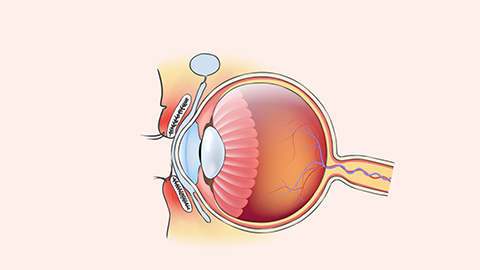
Astigmatism may occur when the eye’s refractive power is abnormal, the corneal curvature is irregular, and symptoms such as decreased visual acuity, visual fatigue, and reduced night vision are present. So, how is astigmatism diagnosed in children?
How Is Astigmatism Diagnosed in Children?
Astigmatism in children is diagnosed based on specific clinical symptoms and precise, scientific instrumentation. Some children are born with astigmatism, primarily due to congenital corneal developmental abnormalities. This type of astigmatism is typically stable and rarely changes over time. Poor visual habits can also contribute to astigmatism—for example, holding reading or writing materials excessively close to the eyes; reading or using mobile devices while riding in a moving vehicle; or reading or using mobile devices under lighting conditions that are either too bright or too dim.

Astigmatism is essentially an optical aberration of the eye, which—through consistent, controlled eye movements—can potentially be improved. Begin by sitting upright with your head and neck straight. Open your eyes and focus on the area just above your eyebrows. Slowly shift your gaze to the right, attempting to “see” your right ear; then gradually lower your gaze downward; finally, slowly shift your gaze to the left, attempting to “see” your left ear. Performing this sequence daily may help effectively correct mild astigmatism. If astigmatism has only recently developed in a child, modifying harmful visual habits may suffice for correction.
In cases of severe astigmatism in children, surgical intervention may be considered; however, such procedures carry inherent risks and require careful evaluation and decision-making. We hope this information is helpful to you.




