


Causes of Astigmatism in Children
Jun 29, 2022
Source: Cainiu Health

Dr. Chen You
Introduction
The primary causes of astigmatism in children include genetic factors or abnormal corneal development. Prolonged neglect of ocular hygiene or the presence of certain eye diseases can also lead to astigmatism. Additionally, physiological astigmatism may develop due to prolonged improper use of the eyes—such as reading while lying down or resting the head on the arms—and other poor visual habits. Patients are advised to consume a diet rich in vitamins and minerals and to avoid chronic sleep deprivation.
For everyone, maintaining healthy vision is extremely important, and extra attention must be paid to eye protection in daily life. However, due to children’s poor self-regulation abilities, they often overuse their eyes. Without active parental supervision, this may adversely affect ocular health, impair vision, and even lead to astigmatism. So, what causes astigmatism in children?
Causes of Astigmatism in Children
The primary causes of astigmatism in children include genetic factors or abnormal corneal development. Prolonged neglect of ocular hygiene or the presence of certain eye diseases can also induce astigmatism. Additionally, physiological astigmatism may develop from prolonged improper use of the eyes—such as reading while lying down or resting the head on the desk—and may worsen over time. Patients are advised to consume a diet rich in vitamins and minerals, avoid chronic sleep deprivation, minimize exposure to electronic devices, and adopt lifestyle modifications that effectively alleviate symptoms. During weekdays, supplementary measures—such as viewing more green plants and gazing at distant scenery outdoors—can also be beneficial. Spicy and irritating foods should be avoided daily, and overall dietary intake should be well-balanced and nutritionally complete.
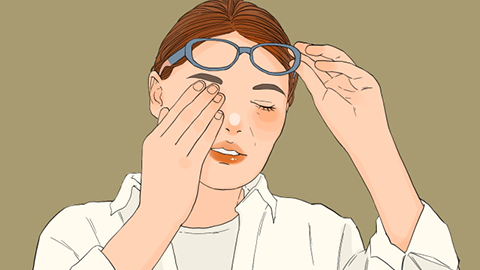
Astigmatism in children can be treated by promptly consulting an ophthalmologist and actively eliminating all contributing factors. If astigmatism is suspected in an infant or child, prompt medical evaluation and professional treatment at a hospital are essential. With timely intervention, vision typically returns to normal; however, significant delays in treatment may render full visual recovery difficult or impossible. While administering appropriate treatment for childhood astigmatism, it is equally important to identify all underlying contributing factors and eliminate them proactively under the guidance of a qualified ophthalmologist. For instance, congenital ptosis or congenital cataracts require prompt diagnosis and management. Once these causative conditions are addressed, astigmatism symptoms often improve spontaneously.

In daily life, parents should encourage children to develop healthy visual habits—such as avoiding prolonged reading, television viewing, or video gaming—to minimize eye strain, thereby supporting both the treatment and prevention of astigmatism. We hope this information proves helpful to you.




