


How do uterine polyps form?
Jul 03, 2022
Source: Cainiu Health

Dr. Chen Zhe
Introduction
Endocrine imbalance may lead to uterine polyps. Excessively high estrogen levels can cause abnormal overgrowth of the endometrium, thereby promoting the development of uterine polyps. Inflammatory stimulation may induce hyperplastic lesions within the uterine cavity, resulting in mucosal protrusion beyond the external cervical os and formation of polyps. Endometrial hyperplasia, obesity, diabetes, and hypertension are also closely associated with the development of uterine polyps.
Uterine polyps in women can severely compromise physical health and may even lead to infertility. So, how do uterine polyps form?
How Do Uterine Polyps Form?
Endocrine imbalance is a potential cause of uterine polyps. Excessively high estrogen levels can trigger abnormal overgrowth of the endometrium, thereby promoting polyp formation. Chronic inflammation within the uterine cavity may induce hyperplastic changes in the endometrial mucosa, causing localized tissue protrusion through the external cervical os—resulting in polyp development. Other closely associated risk factors include endometrial hyperplasia, obesity, diabetes, and hypertension. Clinical manifestations of uterine polyps are diverse; for instance, unmarried women with uterine polyps may notice a palpable mass.
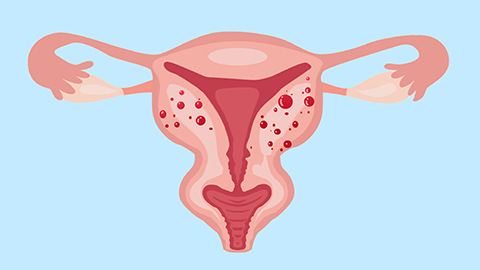
Following onset, patients with uterine polyps may experience symptoms such as bloody vaginal discharge (leukorrhea), increased vaginal secretions, and abdominal pain. These symptoms often worsen after sexual intercourse. The most serious complications associated with uterine polyps are infertility and an increased risk of miscarriage.

If any of the above symptoms occur, individuals should seek medical evaluation. Diagnostic modalities—including ultrasound imaging, histopathological examination, hysteroscopy, and laboratory testing—can help confirm the presence of uterine polyps. Accurate diagnosis requires both thorough patient history-taking and careful differential diagnosis against other uterine conditions. Once diagnosed, appropriate treatment must be initiated—targeting both the underlying etiology and clinical manifestations. We hope this article has been helpful. Wishing you a joyful life and optimal health!






