


What foods can delay menstruation?
Jul 14, 2022
Source: Cainiu Health

Dr. Wang Huiying
Introduction
Her menstrual cycle is usually regular. If progesterone is used to delay menstruation, it can be started on days 2–3 of the period; if menstruation has already begun, progesterone should be taken immediately and continued until bleeding stops. During this period, it is essential to establish healthy habits—especially avoiding staying up late. The timing of medication administration must be consistent: if taken in the morning, it should always be taken in the morning; if taken in the evening, it must always be taken in the evening, with minimal variation in timing. Significant deviations in dosing time may lead to breakthrough bleeding during treatment.
If a female athlete unexpectedly begins menstruating during competition, it may negatively affect her performance. In such cases, she may wish to delay her period by a few days. What can be taken to postpone menstruation?
What Can Be Taken to Delay Menstruation
For women with regular menstrual cycles, progesterone (e.g., oral micronized progesterone) can effectively delay menstruation. It should ideally be started two to three days before the expected onset of menses. If menstruation has already begun, progesterone may still be administered until bleeding stops. During this period, maintaining healthy lifestyle habits is essential—particularly avoiding late-night sleep. Medication must be taken at consistent times daily: if taken in the morning, it should always be taken in the morning; if taken in the evening, it must be taken in the evening. Timing deviations should be minimized, as inconsistent dosing may lead to breakthrough bleeding.
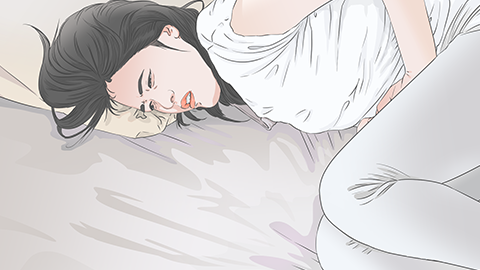
Menstruation involves numerous health considerations. First, sanitary pads should be changed regularly—ideally every two hours. Poorly ventilated pads increase the risk of vulvitis and may even contribute to gynecological infections. Second, dietary choices during menstruation are important: consume iron- and nutrient-rich foods to support blood replenishment; avoid alcohol and excessive intake of cold-natured foods, which may trigger dysmenorrhea or other discomforts. Lastly, maintain proper perineal hygiene—washing the external genitalia daily with warm water is recommended. However, tub bathing should be avoided during menstruation, as it increases the risk of ascending bacterial infection and subsequent intrauterine infection.

Occasional use of medication to delay menstruation is acceptable, but frequent use is discouraged, as it may disrupt normal menstrual cyclicity. Instead, focus on optimizing lifestyle factors to naturally regulate your menstrual cycle. We hope this information proves helpful!



