


Which is more serious: uterine fibroids or polyps?
Jul 14, 2022
Source: Cainiu Health

Dr. Chen Zhe
Introduction
Uterine polyps and uterine fibroids are two distinct conditions; neither is inherently “more severe” than the other. Severity is primarily determined by the lesion’s location and associated clinical symptoms. For instance, some uterine fibroids grow slowly and remain asymptomatic, rendering them clinically insignificant. In contrast, others grow rapidly, impair fertility, cause menorrhagia, or exhibit potential for malignant transformation—making them more serious.
Uterine fibroids and endometrial polyps are extremely common gynecological conditions that can adversely affect women’s health. So, which is more serious—uterine fibroids or endometrial polyps?
Which Is More Serious: Uterine Fibroids or Endometrial Polyps?
Uterine fibroids and endometrial polyps are two distinct pathological conditions; neither is inherently “more serious” than the other. Severity depends primarily on lesion location and clinical manifestations. For instance, some uterine fibroids grow slowly and remain asymptomatic, thus posing minimal risk. Others grow rapidly, impair fertility, cause menorrhagia (excessively heavy menstrual bleeding), or even exhibit malignant potential—making them clinically more serious. Similarly, endometrial polyps may cause abnormal uterine bleeding and carry a small but definite risk of malignancy. When both conditions coexist, treatment decisions should be individualized based on the patient’s specific clinical presentation and needs.
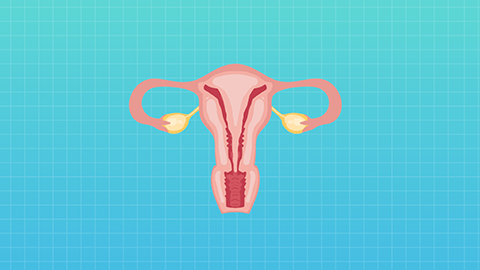
Asymptomatic uterine fibroids generally require no specific treatment—only routine monitoring is needed. Most fibroids gradually shrink and regress after menopause. Surgical intervention is indicated only when fibroids become significantly large, causing noticeable compression symptoms to adjacent structures, undergoing degeneration, or when they are located close to the endometrium—thereby substantially increasing endometrial surface area and leading to heavy or prolonged bleeding, potentially resulting in anemia. If conservative management proves ineffective, surgery remains necessary.
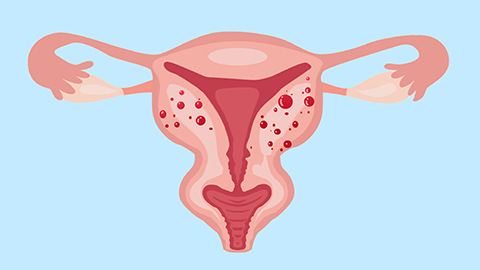
If endometrial polyps persist and contribute to infertility or cause vaginal bleeding, hysteroscopic evaluation and/or treatment are warranted. Diagnostic curettage is often required, followed by histopathological examination. We hope this information has been helpful. Wishing you optimal health and happiness!



