


Causes and Treatment of Hair Loss
Jul 15, 2022
Source: Cainiu Health

Dr. Liu Wan
Introduction
Causes of hair loss include staying up late, excessive scalp oiliness, emotional stress, anemia, and genetic factors. If left unaddressed over a prolonged period, these factors can lead to follicular atrophy or inflammatory infection, follicular loosening, and eventual hair shedding. Additionally, genetics is a major contributor to increased susceptibility to hair loss; hereditary influences may cause excessive secretion of androgens, resulting in overactive sebaceous glands and enlarged sebaceous glands associated with hair follicles.
Although hair loss is more common among the elderly, some middle-aged and young adults also experience varying degrees of alopecia. What are the causes of hair loss, and how is it treated?
Causes and Treatment of Hair Loss
Causes of hair loss include sleep deprivation, excessive scalp oiliness, emotional stress, anemia, and genetic predisposition. If left unaddressed over time, these factors may lead to follicular atrophy or inflammatory infection, follicular loosening, and eventual hair shedding. Additionally, genetics is a major contributing factor to hair loss. Hereditary influences can cause excessive androgen secretion, resulting in overactive sebaceous glands and enlarged pilosebaceous units. Prolonged neglect may ultimately cause follicular occlusion and subsequent hair loss.
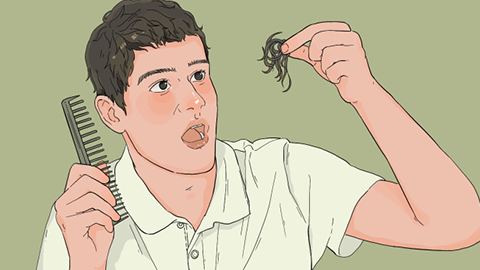
Treatment for hair loss should begin with a consultation at a reputable hospital’s dermatology department to determine the underlying cause. The first step is to eliminate any identifiable triggers, followed by targeted therapy. For instance, if poor lifestyle habits are responsible, adopting healthier habits—along with vitamin B or vitamin C supplementation under medical supervision—may be recommended. Men with androgenetic alopecia may be prescribed oral finasteride, while women may receive spironolactone. In addition, topical minoxidil solution may be applied directly to affected areas.
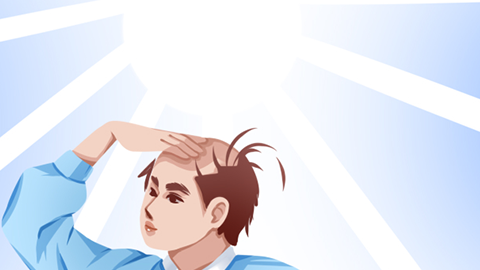
Once hair loss is well-controlled, hair transplantation surgery may be considered for severely affected areas. We hope this information proves helpful to you!





