


How to relieve acute hypertension
Jul 17, 2022
Source: Cainiu Health

Dr. Li Man
Introduction
Acute hypertension is a life-threatening condition primarily triggered by multiple stressors, leading to multi-organ dysfunction and characterized by a rapid, marked elevation in blood pressure over a short period. Patients with acute hypertension may experience symptoms such as nausea, vomiting, and severe headache. Immediate bed rest, maintenance of a quiet environment, and avoidance of stimuli are essential. Blood pressure should be measured promptly, antihypertensive medications administered without delay, and blood pressure changes closely monitored.
In daily life, acute hypertension occurs relatively frequently. So how is acute hypertension managed?
Management of Acute Hypertension
Acute hypertension is a life-threatening condition primarily triggered by various stressors, leading to rapid functional deterioration of multiple organ systems and a sharp, short-term rise in blood pressure. Patients commonly experience symptoms such as nausea, vomiting, and severe headache. Immediate bed rest in a quiet environment—free from any stimulation—is essential. Blood pressure should be measured promptly, antihypertensive medications administered without delay, and blood pressure closely monitored. Elevating the head of the bed to 30 degrees may help achieve postural blood pressure reduction.
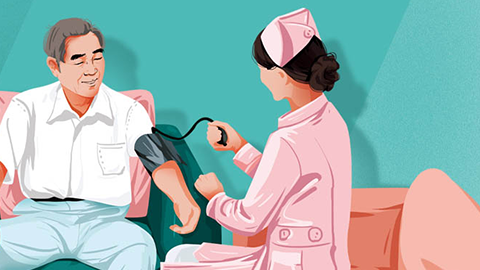
Acute hypertension—also termed hypertensive emergency—refers to a sudden, marked elevation in blood pressure (typically exceeding 180/120 mmHg) in patients with preexisting hypertension, accompanied by acute dysfunction or injury to vital target organs such as the heart, brain, and kidneys, thereby posing an immediate threat to life. Common underlying causes include sympathetic hyperactivity, acute renal injury, and vascular emergencies. Typical clinical manifestations include pallor, agitation, diaphoresis, palpitations, papilledema, cerebrovascular accidents, and severe headache. Once diagnosed as a hypertensive emergency, immediate resuscitation is required: intravenous access must be established; the patient should be placed in strict bed rest with the head of the bed elevated; supplemental oxygen administered; intravenous antihypertensive agents initiated; and continuous electrocardiographic and vital sign monitoring performed—with particular attention to cardiac, cerebral, and renal function.
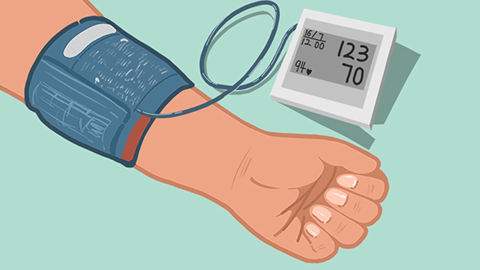
Prompt intervention is critical in cases of acute hypertension to prevent disease progression and complications. I hope this response has been helpful. Wishing you good health and peace of mind!






