


Health Education on Hypertension
Jul 31, 2022
Source: Cainiu Health

Dr. Li Man
Introduction
Blood pressure is not only an independent cardiovascular disease but also a major risk factor for chronic conditions such as stroke and coronary heart disease. Health education should address the following six aspects:
1. Weight loss: Being overweight or obese increases the workload on the heart and blood vessels, thereby elevating blood pressure.
2. Excessive sodium intake: High sodium consumption leads to sodium and water retention, contributing to hypertension. Daily salt intake should be less than 5 g.
Hypertension is a “silent killer.” Many individuals only discover it incidentally during routine health check-ups. Common symptoms include dizziness and headache; however, a substantial proportion of patients remain asymptomatic and are diagnosed only through screening or偶然 detection.
Health Education for Hypertension
Hypertension is not only an independent cardiovascular disease but also a major risk factor for chronic conditions such as stroke and coronary heart disease. Health education should focus on the following six aspects:
1. Weight management: Overweight and obesity increase the workload on the heart and blood vessels, thereby elevating blood pressure.
2. Sodium restriction: Excessive dietary sodium intake promotes sodium and water retention, contributing to hypertension. Daily salt intake should be limited to less than 5 g.
3. Regular physical activity: Appropriate and consistent exercise effectively reduces the incidence of hypertension.
4. Increased consumption of vegetables and fruits: A diet rich in vegetables and fruits helps prevent hypertension.
5. Modification of unhealthy lifestyle habits: Smoking and excessive alcohol consumption are significant risk factors for hypertension. Smoking cessation and alcohol abstinence can effectively lower blood pressure.
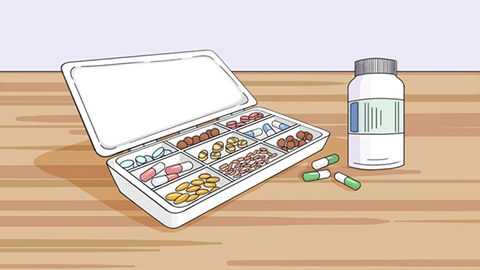
6. Adherence to antihypertensive medication: Once diagnosed with hypertension, patients must take prescribed medications regularly and consistently.

Hypertension results from the interplay of multiple factors. Health education for hypertension primarily focuses on lifestyle modification, physical activity, and pharmacological control. The first priority for hypertensive patients is dietary control—adopting a low-salt, low-sugar, and low-fat diet. Daily salt intake should not exceed 6 g per person. Regular exercise and psychological adjustment are also essential. Furthermore, appropriate antihypertensive medications should be selected based on the severity of hypertension, and treatment must be maintained consistently with regular dosing.
Individuals at risk are advised to engage in appropriate physical activity regularly, with healthy eating being the most critical component. We hope this information proves helpful to you.




