


What Are the Causes of Severe Hair Loss?
Aug 01, 2022
Source: Cainiu Health

Dr. Liu Wan
Introduction
Severe hair loss may be caused by genetic factors, irregular daily routines, and unhealthy lifestyle habits. It is commonly associated with endocrine disorders triggered by excessive stress and prolonged consumption of spicy or irritating foods. The most common type of hair loss is androgenetic alopecia—also known as male-pattern baldness—characterized by a receding hairline and thinning at the crown, often linked to abnormal testosterone metabolism and exhibiting a Mediterranean-type pattern.
In healthy individuals, shedding up to 100 hairs per day is considered normal, physiological hair loss. However, if daily hair loss exceeds 100 hairs or occurs in patchy areas, it may indicate pathological hair loss. So, what causes severe hair loss?
What Causes Severe Hair Loss?
Severe hair loss may stem from genetic factors, irregular daily routines, and unhealthy lifestyle habits. It is often associated with chronic stress and long-term consumption of spicy or irritating foods, leading to endocrine disorders.
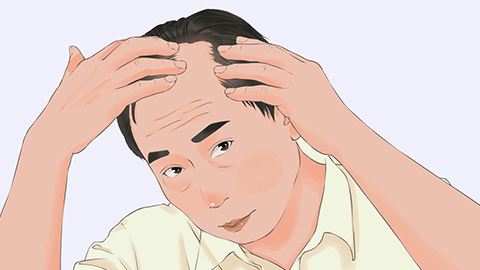
Hair loss itself may be a non-systemic condition. The most common type is androgenetic alopecia—also known as male-pattern baldness—characterized by elevated or abnormal testosterone levels and typically presenting with a “Mediterranean” pattern of hair thinning. Psychogenic alopecia, triggered by psychological or psychiatric factors, results from stress-related hormonal imbalances. Additionally, seasonal hair loss occurs, with increased shedding commonly observed in autumn. Finally, hair loss may accompany other systemic diseases, such as syphilis, infectious alopecia, or chemotherapy-induced alopecia in cancer patients.

Individuals experiencing severe hair loss may try anti-hair-loss shampoos or oral medications aimed at promoting hair growth; however, these interventions often yield limited efficacy. Alternatively, patients may seek medical treatment, including hair restoration or hair transplantation surgery at a hospital. For transplantation procedures, it is essential to consult a reputable medical institution where qualified physicians can perform appropriate diagnostic evaluations and deliver targeted therapies based on individual findings. We hope this information proves helpful!





